




What's Happening?
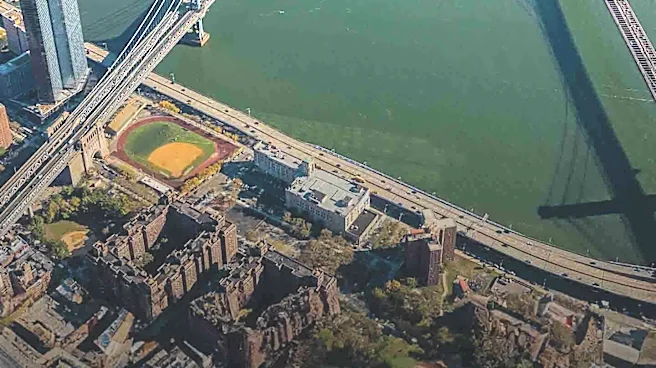
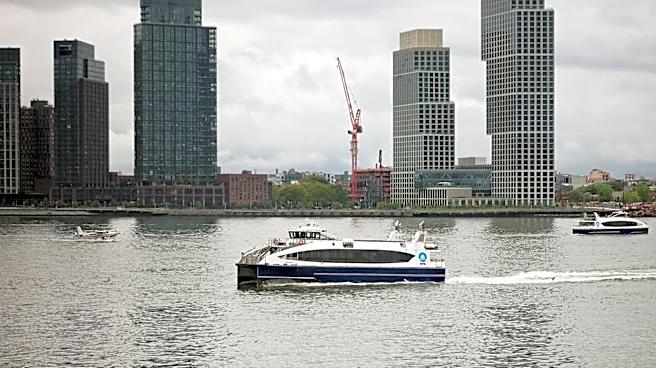
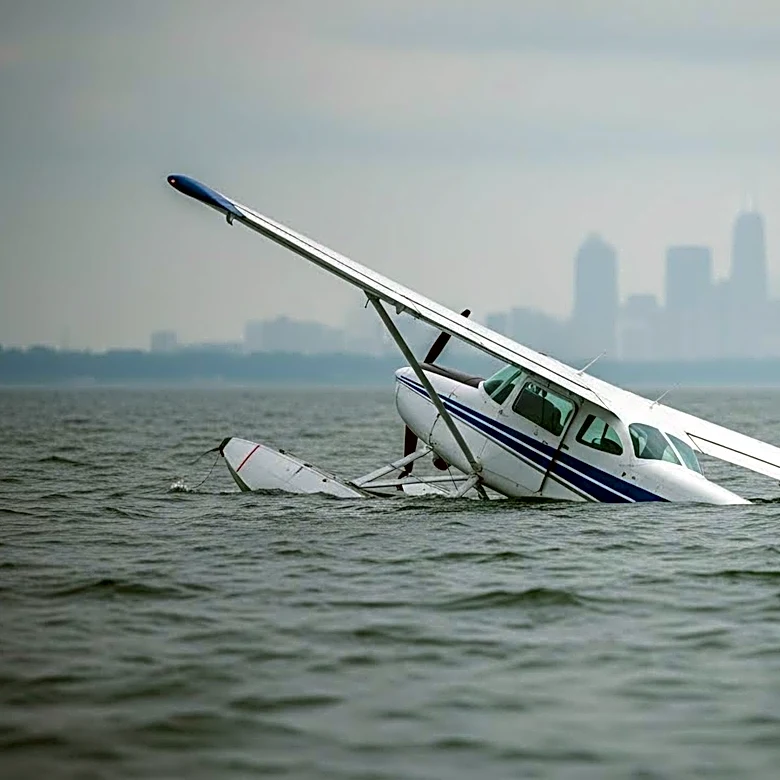
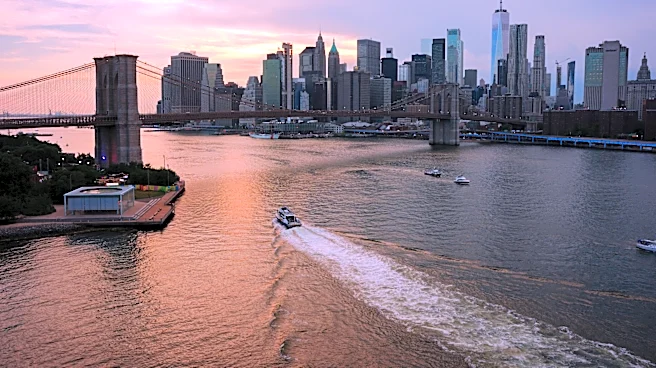
On Sunday, a seaplane experienced a hard landing in the East River near the ferry terminal at 23rd Street in New York City. The aircraft, a Kodiak 100 commuter plane, was arriving from the Hamptons when its floats made contact with the water, hit a wave,
and caused the plane to bounce off the surface multiple times. On the third impact, a wing strut snapped, causing the port-side wing and propeller to dip into the water. Despite the damage, the plane did not overturn and came to a stop safely. Emergency services, including the New York Police Department and New York Fire Department, responded quickly. All eight passengers on board were rescued without serious injuries, and efforts were made to secure the wreckage.
Why It's Important?
The incident highlights the risks associated with seaplane operations, particularly in busy urban areas like New York City. The rapid response by emergency services underscores the importance of preparedness and coordination in handling aviation incidents. The safe rescue of all passengers without serious injuries is a testament to the effectiveness of emergency protocols. This event may prompt a review of safety measures and operational procedures for seaplanes, especially those operating in densely populated regions. It also raises awareness about the potential hazards of water landings and the need for robust safety standards in the aviation industry.
What's Next?
Following the incident, an investigation is likely to be conducted to determine the cause of the hard landing and assess any mechanical or operational failures. The findings could lead to recommendations for improving safety protocols for seaplane operations. Additionally, there may be increased scrutiny on the maintenance and inspection processes for aircraft used in commercial service. The aviation industry and regulatory bodies might consider implementing stricter guidelines to prevent similar occurrences in the future.