
What's Happening?
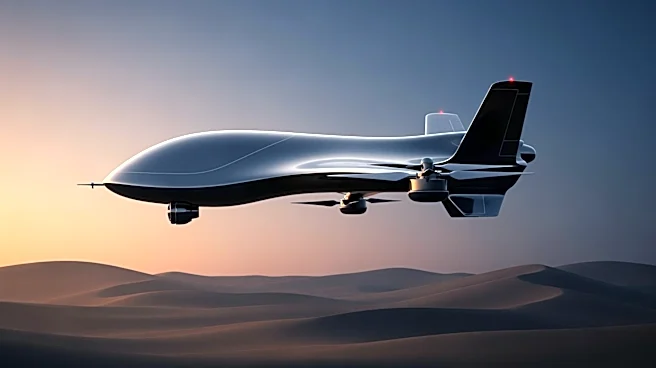
The demand for interceptor drones has significantly increased as the United States and its allies face new threats from Iran's use of Shahed drones in the Middle East. These drones, which are much cheaper
and slower than traditional military aircraft, pose a challenge to existing air defense systems designed to counter high-value targets like fighter jets and missiles. The U.S. and NATO allies are now looking to interceptor drones as a cost-effective solution to this emerging threat. Companies like Origin Robotics, which previously struggled to convince allies of the necessity of these systems, are now seeing a surge in interest. However, the production capacity for these drones is currently insufficient to meet the demand, highlighting a critical gap in defense readiness.
Why It's Important?
The increased interest in interceptor drones underscores a shift in military strategy, emphasizing the need for adaptable and affordable defense solutions against asymmetric threats. The cost disparity between traditional missile systems and interceptor drones is stark; for instance, a PAC-3 missile costs approximately $3.7 million, while an Iranian Shahed drone costs around $50,000. Interceptor drones, costing as little as $6,000, offer a more sustainable option for countering these threats. This shift could lead to significant changes in defense procurement and strategy, potentially impacting defense contractors and military budgets. The U.S. and its allies must adapt quickly to maintain their strategic advantage and protect their interests in volatile regions.
What's Next?
To address the production shortfall, manufacturers need increased funding and purchase orders to scale up their operations. This involves expanding production facilities, hiring more workers, and securing a steady supply of components. The U.S. and its allies may need to invest in these capabilities to ensure a rapid response to emerging threats. Additionally, there is a risk that other countries could capitalize on the lessons learned by Ukrainian companies in drone warfare, potentially outpacing U.S. and NATO production capabilities. This situation calls for strategic investments and international cooperation to bolster defense readiness and maintain technological superiority.