



What's Happening?
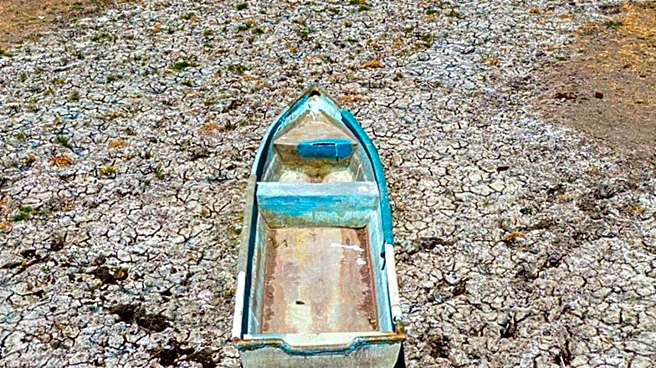
The European Union is facing significant water scarcity issues, with 30% of Europeans and 20% of land experiencing water stress annually. The European Environmental Agency's Water Exploitation Index Plus indicates that water is under stress when 20% of renewable
freshwater resources are used, and severely stressed at 40%. In response, the EU launched the Water Resilience Strategy in June 2025, aiming to protect the water cycle, promote a water-smart economy, and ensure access to clean, affordable water. The strategy includes over 50 actions to secure long-term water supply, such as reducing water pollution, improving infrastructure, and enhancing water efficiency by 10% by 2030.
Why It's Important?
The water scarcity crisis in Europe has far-reaching implications for public health, food security, and economic competitiveness. The strategy's implementation is crucial for maintaining the wellbeing of European citizens and the sustainability of industries reliant on water. The EU's approach to water management could serve as a model for other regions facing similar challenges. The strategy's success depends on significant investment and cooperation among member states to modernize infrastructure and adopt water-efficient practices.
What's Next?
The EU's Water Resilience Strategy will continue to be implemented, with a focus on achieving the 10% water efficiency target by 2030. Member states are expected to invest in infrastructure improvements and adopt new technologies for water management. The European Investment Bank's €15 billion investment in the strategy is a positive step, but further funding and commitment are needed to address the scale of the water challenge. The strategy's progress will be monitored through an Actions Tracker, and adjustments may be made based on regional needs and climate change impacts.