






What's Happening?
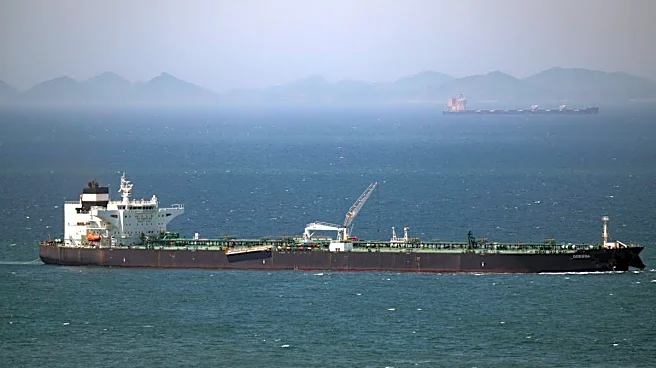
The global economy is demonstrating resilience despite significant geopolitical disruptions, according to Jack Aldrich, BlackRock's director for geopolitical research. Key events in 2026, such as the US capture of Venezuelan leader Nicolás Maduro and
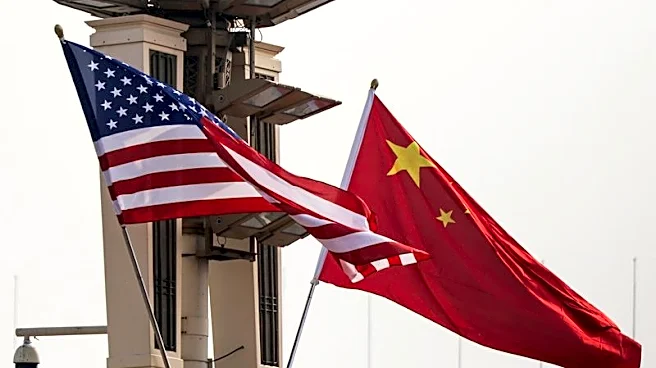
the war with Iran, have reshaped the investment landscape. The US-China relationship remains competitive, and global military spending is on the rise. These factors, along with technological advancements, are influencing global economic dynamics.
Why It's Important?
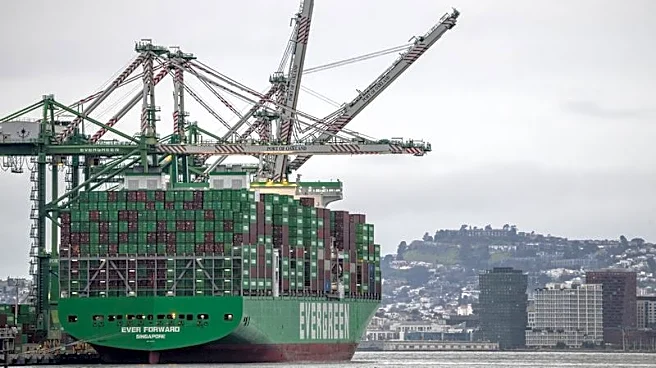
The ability of the global economy to adapt to geopolitical challenges is crucial for maintaining stability and growth. The ongoing US-Iran conflict and tensions in other regions highlight the interconnectedness of global markets and the potential for disruptions to impact economic performance. The increase in military spending and technological advancements also present opportunities and risks for investors and policymakers. Understanding these dynamics is essential for making informed decisions in a rapidly changing global environment.
What's Next?
The global economy may continue to face challenges as geopolitical tensions persist. Investors and policymakers will need to monitor developments closely and adapt strategies to mitigate risks. The potential for further conflicts or disruptions could impact global trade, investment, and economic growth. Continued innovation and collaboration among nations will be key to navigating these challenges and ensuring long-term economic resilience.