



What's Happening?
Former German Foreign Minister Joschka Fischer delivered a keynote address at ITB Berlin 2026, emphasizing the need for the tourism industry to adapt to geopolitical challenges and enhance crisis management. Fischer highlighted the shift in global power
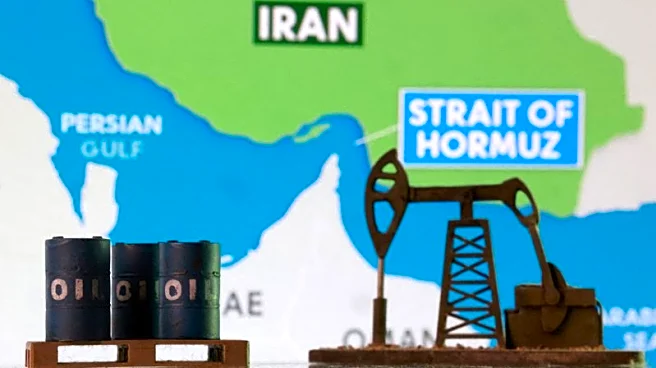
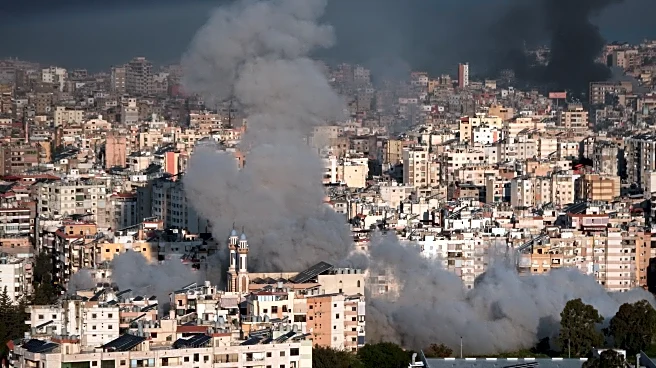
dynamics, now dominated by the United States, China, and potentially India, marking the end of a rules-based world order. He urged the tourism sector to proactively address geopolitical risks and suggested that industry leaders could contribute to diplomatic efforts. Fischer pointed out that conflict, natural disasters, and war are persistent challenges that the industry must acknowledge and adapt to. He referenced safety concerns affecting travel choices, citing incidents in the Gulf region where hotels have been targeted by Iranian drones. Fischer also discussed the ongoing conflict involving the US, Israel, and Iran, expressing concerns about potential escalation and instability in the region.
Why It's Important?
The tourism industry is significantly impacted by geopolitical instability, which can deter travel and affect global tourism revenues. Fischer's call to action highlights the necessity for the industry to develop robust crisis management strategies to mitigate risks associated with geopolitical tensions. By addressing these challenges, the tourism sector can better safeguard its operations and ensure traveler safety. The emphasis on learning from past failures, such as the 2004 tsunami response, underscores the importance of preparedness in maintaining industry resilience. As geopolitical tensions continue to influence global travel patterns, the tourism industry must adapt to ensure its sustainability and growth.
What's Next?
The tourism industry may need to reassess its crisis management protocols and collaborate with diplomatic entities to enhance its response to geopolitical risks. Industry leaders might explore partnerships with governments and international organizations to develop comprehensive strategies for crisis prevention and management. Additionally, the sector could invest in technology and data analytics to better predict and respond to potential threats. As geopolitical tensions evolve, the tourism industry will likely continue to face challenges that require innovative solutions and proactive measures to ensure traveler safety and business continuity.