



What's Happening?
The Office of the United Nations High Commissioner for Human Rights (OHCHR) has recommended prompt and independent investigations into human rights violations that occurred in Bangladesh between August 5 and 15 last year, following the fall of Sheikh
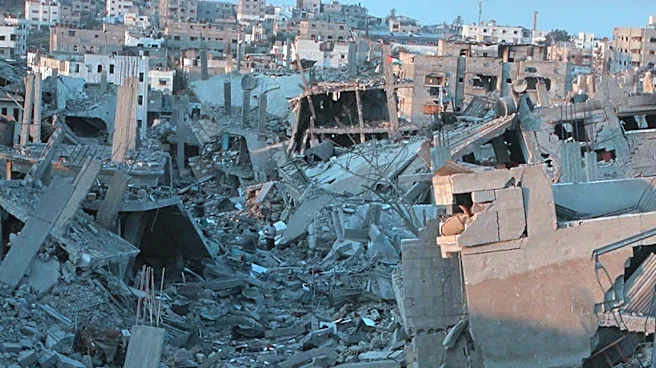
Hasina. The recommendation was made in a fact-finding report titled "Human Rights Violations and Abuses related to the Protests of July and August 2024 in Bangladesh." The report highlights 'serious acts of revenge violence' targeting Awami League (AL) members and police, with 450 out of 639 police stations reportedly destroyed or damaged. Additionally, violent crowds attacked AL officials, homes, and businesses. The report also documented human rights abuses against Hindus, Ahmadiyya Muslims, and indigenous people, including arson attacks and assaults on places of worship. Concerns were raised about undue pressure on defense lawyers, who faced refusal of access to court, assaults, threats, and limited access to clients or case files. The UN stated that authorities were in disarray and unable to protect victims from abuses by non-state actors, and that the lack of law enforcement facilitated further revenge violence and opportunistic crimes.
Why It's Important?
This call for independent investigations underscores the international community's concern over the rule of law and human rights in Bangladesh during a period of significant political upheaval. The documented widespread violence, targeting of specific groups, and alleged obstruction of legal processes could have long-term implications for the country's stability, democratic institutions, and social cohesion. The inability of authorities to provide an effective response to protect human rights, as noted by the UN, highlights a critical governance failure that could erode public trust and perpetuate cycles of violence. The reported abuses against minorities, including Hindus, Ahmadiyya Muslims, and indigenous people, signal a potential for exacerbated inter-communal tensions and further marginalization of vulnerable populations. Furthermore, the pressure on defense lawyers and journalists raises serious questions about the integrity of the justice system and freedom of expression, which are fundamental pillars of a democratic society. Addressing these violations through independent investigations is crucial for accountability, reconciliation, and preventing future abuses, thereby influencing Bangladesh's international standing and its relationship with global human rights bodies.
What's Next?
The UN's recommendation for prompt and independent investigations will likely put pressure on the interim government of Bangladesh to address the documented human rights violations. The OHCHR has emphasized that if these incidents are left unaddressed, they pose major risks to the country's social fabric, democratic culture, and cohesion. The government may face increased scrutiny from international bodies and human rights organizations regarding its efforts to ensure accountability and protect its citizens. The report also noted that the government informed the OHCHR about a legal aid mechanism to ensure representation for accused individuals, suggesting that the effectiveness and accessibility of this mechanism will be closely watched. Future developments will likely involve monitoring the government's response to these recommendations, any steps taken to investigate the abuses, and efforts to restore law and order and protect human rights. The international community, including UN member states, may continue to advocate for justice and human rights in Bangladesh.
Beyond the Headlines
The events in Bangladesh following Sheikh Hasina's fall reveal deeper implications concerning the fragility of democratic transitions and the potential for widespread human rights abuses when state authority falters. The targeting of specific political groups, minorities, and the press, coupled with the breakdown of law enforcement, suggests a systemic vulnerability to revenge violence and opportunistic crime in periods of political vacuum. This situation highlights the critical importance of robust, independent institutions and a strong commitment to human rights, even amidst political turmoil. The challenges faced by defense lawyers and journalists underscore the broader struggle for civil liberties and the rule of law in transitional contexts. The UN's involvement, while crucial for documenting abuses and advocating for accountability, also points to the limitations of international oversight in preventing such widespread violations in real-time. The long-term societal impact could include entrenched divisions, a culture of impunity, and a weakened democratic foundation, making genuine reconciliation and stable governance more difficult to achieve.