





What's Happening?
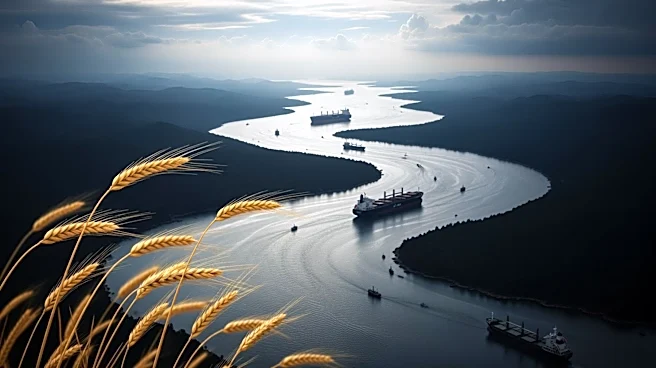
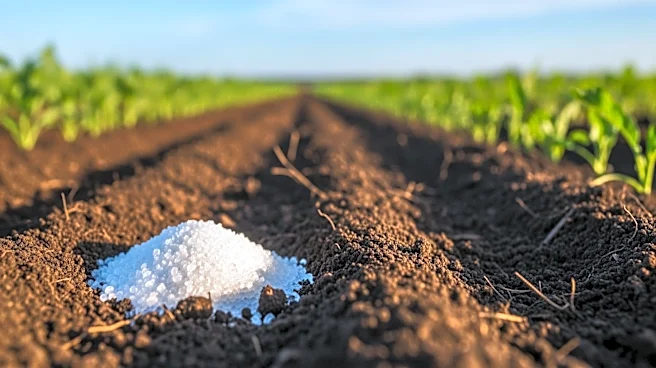
The government of British Columbia has established a task force to address the rising costs of fertilizer and fuel for farmers, attributed to the ongoing war in Iran. The conflict has led to significant increases in the prices of these essential inputs,
affecting the agricultural sector as planting season begins. The task force aims to monitor the situation and identify potential disruptions in supply chains. B.C. Conservative agriculture critic Ian Paton has expressed concerns about the financial strain on farmers, highlighting the challenges posed by increased diesel and fertilizer costs.
Why It's Important?
The formation of the task force reflects the broader economic impact of the Iran war on global supply chains, particularly in the agricultural sector. Rising input costs could lead to higher food prices, affecting consumers and the overall economy. The situation also highlights the vulnerability of supply chains to geopolitical events, emphasizing the need for strategic planning and diversification of sources. The task force's efforts could lead to policy recommendations to support farmers and stabilize the agricultural market.
What's Next?
The task force will likely continue to assess the impact of the Iran war on supply chains and explore potential solutions to mitigate the effects on farmers. This may include seeking alternative sources of fertilizer and fuel or implementing measures to support farmers financially. The situation could also prompt discussions on enhancing supply chain resilience and reducing dependency on volatile regions for critical inputs.