






What's Happening?
The Newark Fire Division has completed significant energy efficiency upgrades across 14 of its firehouses, investing approximately $4.5 million. This initiative, supported by PSE&G's Direct Install Program, aimed to modernize aging infrastructure, which
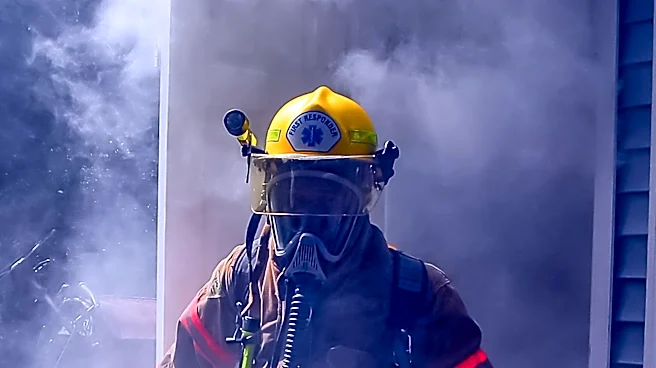
included replacing failing boilers and outdated lighting systems. PSE&G incentives covered nearly 17% of the total project cost, with the city utilizing an interest-free, five-year on-bill repayment option for the remaining balance. The upgrades are projected to save the city nearly $50,000 annually in utility costs and reduce energy consumption by over 225,000 kWh of electricity and about 24,000 therms of natural gas each year. The project also improved the living and working conditions for Newark's 650 firefighters and enhanced safety in surrounding residential neighborhoods through better exterior lighting.
Why It's Important?
This project is important for several reasons. Firstly, it significantly improves the operational efficiency and sustainability of Newark's public infrastructure, leading to substantial cost savings that can be reinvested into other critical fire department needs, such as equipment and safety gear. Secondly, it directly enhances the well-being and safety of firefighters, who previously worked in facilities with unreliable heating and poor lighting. This demonstrates a commitment from the city to support its first responders. Thirdly, the upgrades contribute to environmental sustainability by reducing energy consumption and associated carbon emissions. Finally, the improved exterior lighting around firehouses enhances community safety, providing well-lit areas that residents can recognize as safe havens, thereby strengthening the relationship between the fire division and the community.
What's Next?
The Newark Fire Division will continue to benefit from the annual utility savings, which Fire Chief Del Ortiz stated would be used to invest in other essential equipment. The city will continue its five-year, interest-free repayment plan with PSE&G. Other municipalities with aging infrastructure are encouraged to consider similar energy efficiency programs, as highlighted by Juba Dowdell, Deputy Coordinator for Newark’s Office of Emergency Management, Homeland Security and Preparedness. The success of this project may serve as a model for other departments and cities looking to upgrade their facilities, emphasizing the importance of investing in public safety infrastructure and leveraging available incentive programs.
Beyond the Headlines
Beyond the immediate benefits of cost savings and improved facilities, this initiative reflects a broader trend of integrating energy efficiency and sustainability into public sector operations. It highlights how strategic partnerships between utility companies and municipal governments can drive significant infrastructure improvements. The project also underscores the often-overlooked importance of the physical environment for public service workers; providing modern, safe, and comfortable facilities can boost morale, improve operational effectiveness, and signal institutional support. This investment in infrastructure is not just about energy; it's about valuing public servants and building resilient, sustainable communities, demonstrating how practical upgrades can have far-reaching positive impacts on both the environment and human well-being.