





What's Happening?
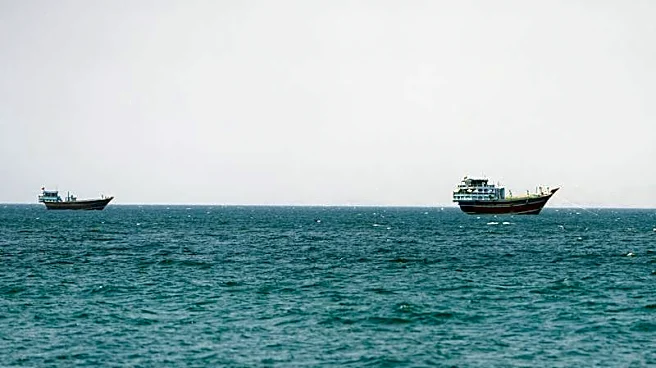
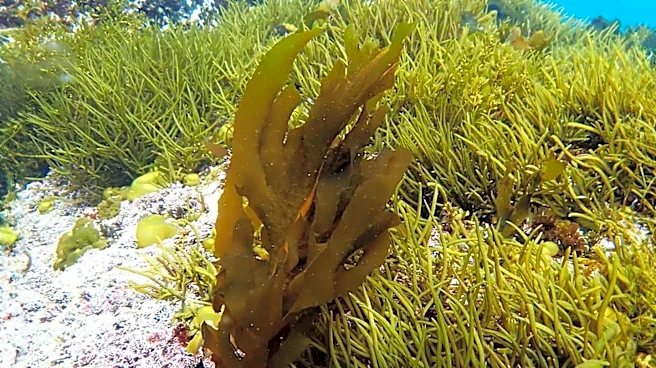
The closure of the Strait of Hormuz has resulted in over 1,500 large commercial ships being trapped in the Gulf region since February 28, 2026. These vessels, which have been idle for an extended period, are accumulating biofouling organisms from the local
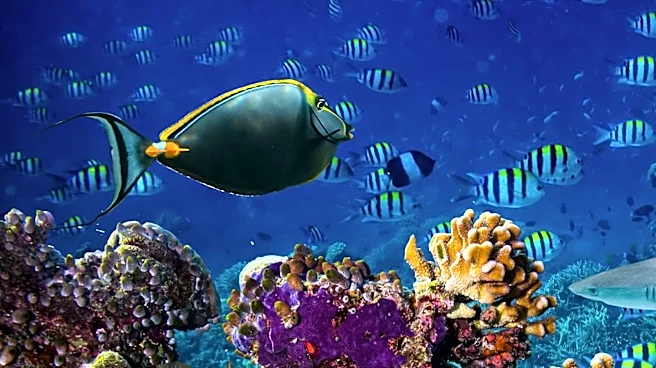
environment. This situation poses a significant risk of spreading non-indigenous species (NIS) globally once the ships resume their trade routes. The International Maritime Organization (IMO) has recognized the increased bioinvasion risks associated with extended lay-ups and recommends immediate actions for vessels idling beyond 18-30 days to manage biofouling. Historically, lay-ups have led to bioinvasions, such as the Australasian barnacle's spread to Europe during World War II. The Gulf region, a critical maritime chokepoint, supports the transport of energy commodities and goods to global markets, making the current situation particularly concerning.
Why It's Important?
The prolonged idling of ships in the Gulf region due to the Strait of Hormuz closure could have significant ecological impacts. The spread of non-indigenous species can disrupt local ecosystems, leading to biodiversity loss and economic consequences for industries reliant on marine resources. The Gulf region's role as a major transport hub for energy and goods amplifies the potential for widespread bioinvasion, affecting global trade and environmental stability. Immediate management interventions are necessary to mitigate these risks and protect coastal ecosystems worldwide. The situation underscores the need for robust biosecurity measures and contingency planning to address future vessel lay-up incidents.
What's Next?
To address the bioinvasion risks, immediate management interventions are recommended, including monitoring and managing biofouling on idle ships. Long-term measures should be incorporated into contingency planning to prevent similar incidents in the future. Stakeholders, including environmental agencies and maritime organizations, may need to collaborate on developing strategies to mitigate the impact of bioinvasions. The situation may prompt regulatory changes and increased scrutiny of maritime practices to ensure ecological protection and sustainable shipping operations.
Beyond the Headlines
The closure of the Strait of Hormuz highlights the interconnectedness of global trade and environmental health. The potential bioinvasion event raises ethical and legal questions about the responsibility of shipping companies and governments in preventing ecological harm. It also emphasizes the importance of integrating environmental considerations into economic and policy decisions. The incident could lead to increased awareness and advocacy for stronger international regulations on biofouling management and marine conservation.