





What's Happening?
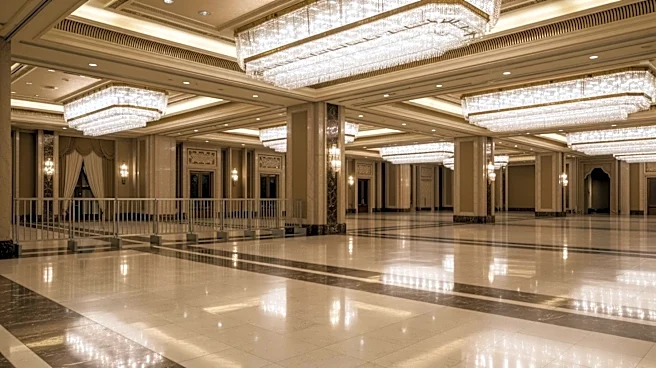
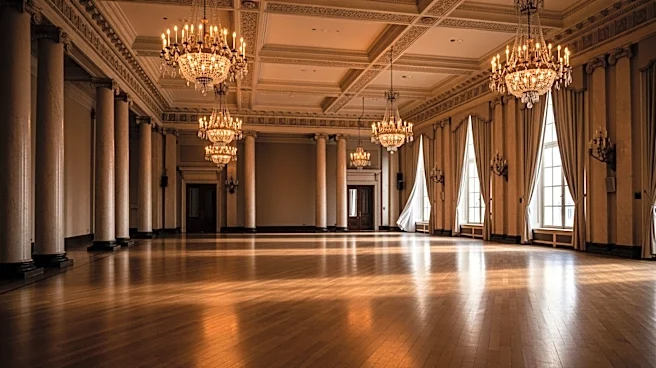
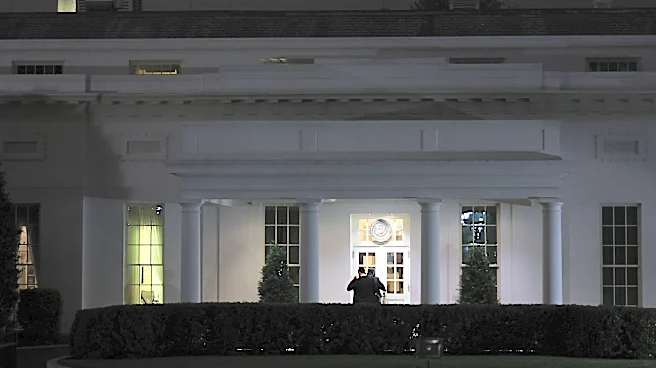
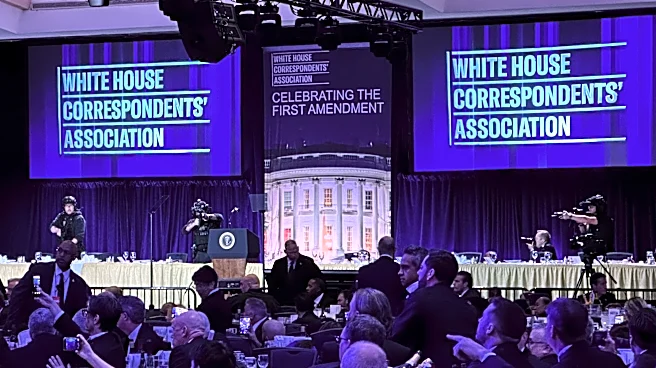
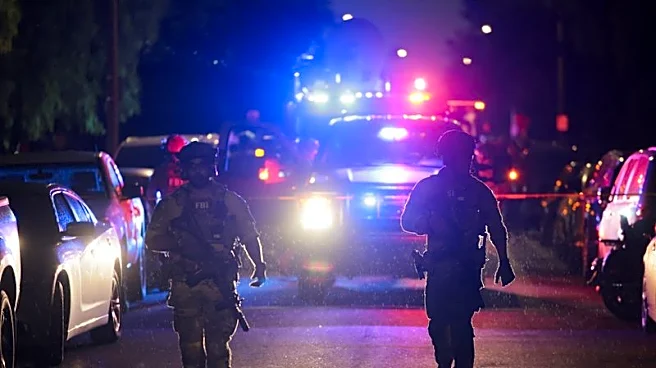
President Trump and his administration are advocating for the construction of a $400 million ballroom at the White House, citing security concerns following a shooting incident near the White House Correspondents' Association dinner. The proposed ballroom is intended
to provide a secure venue for large gatherings, reducing the need for the President to attend events at external locations like the Washington Hilton. Critics argue that the ballroom is unnecessary and would not replace the need for presidents to travel and attend events outside the White House. The Department of Justice has suggested that the White House Correspondents' Association could hold its annual dinner at the new ballroom, but this idea has been met with skepticism from journalists who value their independence from the White House.
Why It's Important?
The proposal for a White House ballroom raises significant questions about presidential security and the balance between safety and public engagement. While the administration argues that the ballroom would enhance security, critics see it as a vanity project that could limit the President's public interactions. The debate highlights the ongoing tension between ensuring the safety of the President and maintaining transparency and accessibility. The decision could set a precedent for future administrations regarding the use of public funds for security-related infrastructure projects at the White House.
What's Next?
The construction of the ballroom is currently facing legal challenges, with the National Trust for Historical Preservation seeking to block the project without Congressional approval. The outcome of these legal proceedings will determine whether the ballroom will be built. If approved, the ballroom could change how presidential events are conducted, potentially reducing the number of off-site appearances. However, it remains uncertain whether the White House Correspondents' Association or other organizations will choose to hold events at a venue controlled by the White House.
Beyond the Headlines
The proposal for a White House ballroom also touches on broader issues of presidential legacy and the use of public spaces. Critics argue that the ballroom is more about President Trump leaving a lasting mark on the White House than addressing genuine security needs. This development could influence future discussions on the role of the presidency in public life and the extent to which security concerns should dictate presidential activities. Additionally, the project raises ethical questions about the use of public funds for projects that may primarily serve the interests of the sitting president.