







What's Happening?
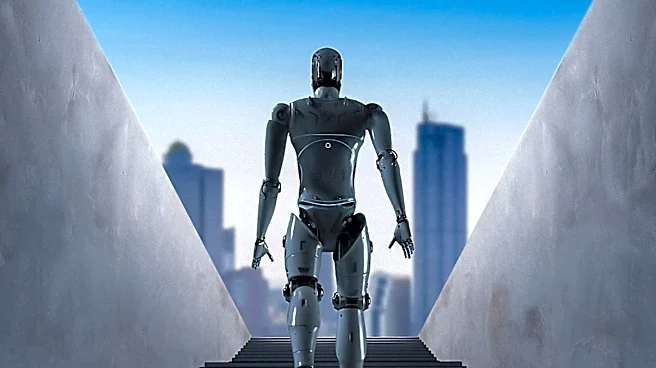
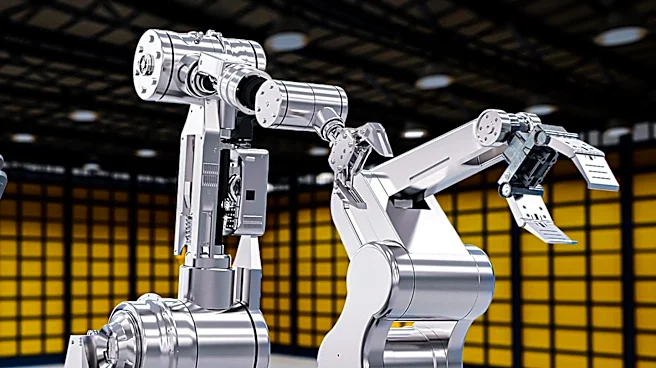
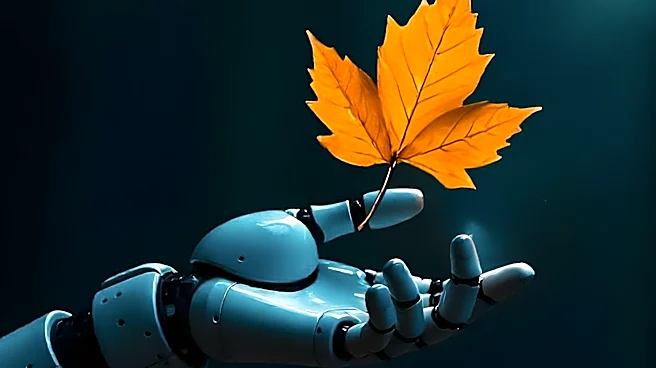
Chinese startups are intensifying efforts to develop dexterous robotic hands, a critical component in advancing humanoid robots. These efforts are driven by China's need to address its aging and shrinking workforce. Companies like LinkerBot and Wuji Technology
are at the forefront, leveraging China's manufacturing capabilities to produce robotic hands that can perform complex tasks. The development of these hands is seen as a significant challenge, with experts noting the difficulty in replicating the dexterity of human hands. The Chinese government is supporting these initiatives as part of its broader strategy to enhance 'embodied AI' and open new markets.
Why It's Important?
The development of robotic hands is crucial for the future of humanoid robots, which could significantly impact various industries by automating tasks currently performed by humans. This technological advancement could alleviate labor shortages in China due to demographic changes. Moreover, it positions China as a leader in robotics, potentially influencing global markets and setting standards in robotic technology. The success of these startups could lead to more affordable prosthetics and other applications, enhancing quality of life and economic productivity.
What's Next?
As these startups continue to innovate, the next steps involve overcoming software challenges to teach robots how to perform tasks autonomously. The Chinese government is likely to continue its support, potentially leading to increased investment and collaboration with international partners. The success of these initiatives could lead to widespread adoption of humanoid robots in various sectors, transforming industries and labor markets.
Beyond the Headlines
The focus on robotic hands highlights broader ethical and economic considerations, such as the potential displacement of human workers and the need for new regulatory frameworks. It also raises questions about the future of human-robot interaction and the societal implications of increasingly autonomous machines.