








What's Happening?
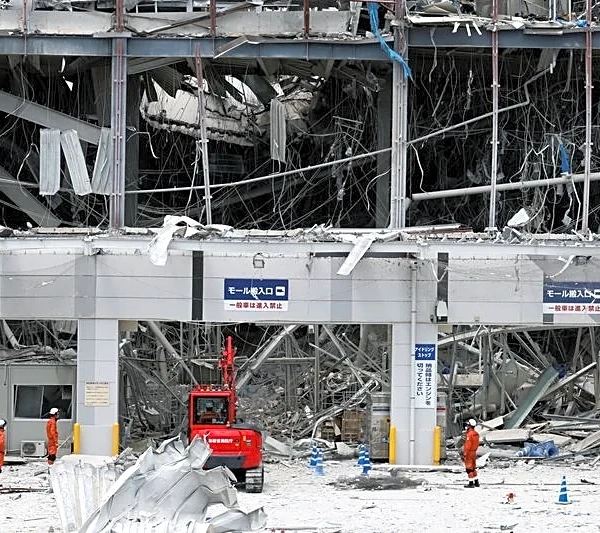
A powerful earthquake with a magnitude of 7.1 hit Japan's southern Kyushu region, causing significant damage, including the collapse of part of a shopping center and injuries to dozens of people. The Japan Meteorological Agency issued a tsunami advisory,
which was lifted shortly after. The earthquake affected infrastructure, leading to blackouts, fires, and the suspension of train services. The Japanese Defense Ministry dispatched aircraft to assess the situation, and no abnormalities were reported at nearby nuclear power plants.
Why It's Important?
The earthquake underscores the seismic vulnerability of Japan, a country frequently affected by such natural disasters. The impact on infrastructure and public safety highlights the importance of disaster preparedness and response strategies. The suspension of transportation services and damage to facilities could disrupt local economies and affect daily life. The event also serves as a reminder of the need for continuous investment in resilient infrastructure and emergency management systems to mitigate the effects of future earthquakes.
What's Next?
Recovery efforts will focus on assessing and repairing damaged infrastructure, restoring services, and providing aid to affected communities. Authorities will likely review and enhance disaster preparedness plans to improve response capabilities. The situation may prompt discussions on building codes and urban planning to increase resilience against future seismic events. Monitoring and support from government agencies will be crucial in ensuring a swift and effective recovery process.