





What's Happening?
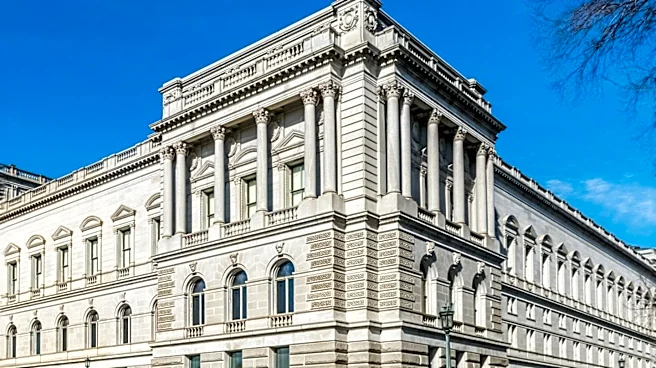
The University of Utah's J. Willard Marriott Library has launched an exhibition titled 'America in the Archive: The Many Voices of Democracy,' curated by Rachel Ernst and Amanda Hurtado. This exhibition, which runs until September 9, 2026, explores American
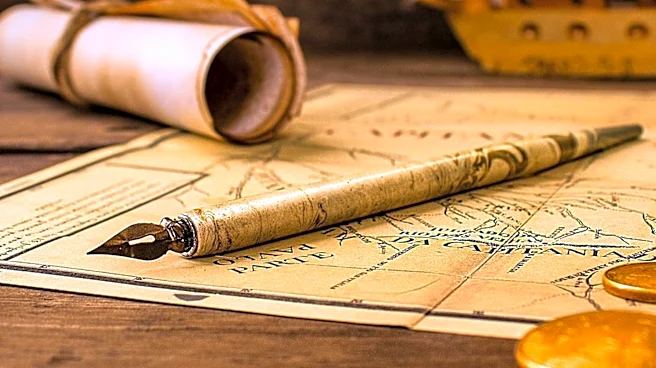
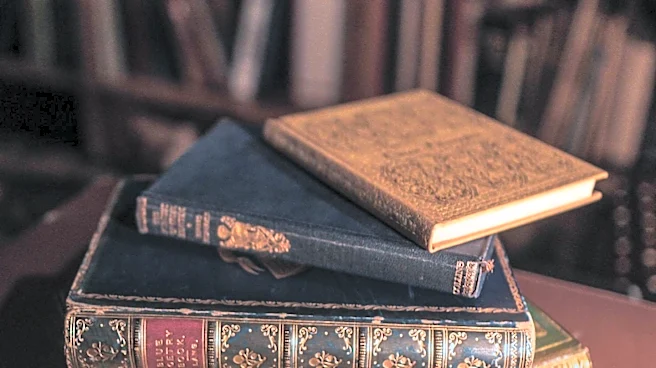
democracy through a collection of historical artifacts from the library's Special Collections. It spans from pre-colonial Indigenous histories to contemporary social movements. A notable artifact is a rare facsimile of the Declaration of Independence, created from an engraved copper plate directly linked to the original document. The exhibition aims to present a multifaceted view of American history, emphasizing individual contributions to the national narrative. It includes items like Lewis and Clark expedition journals, Topaz War Relocation Center records, and Utah suffrage documents, connecting national history with local experiences.
Why It's Important?
This exhibition is significant as it offers a comprehensive and inclusive perspective on American history, highlighting the interconnectedness of various historical narratives. By showcasing diverse stories, it challenges traditional patriotic timelines and encourages a deeper understanding of the nation's complex past. The exhibition's focus on individual stories underscores the importance of personal contributions to the historical record, promoting a more inclusive view of history. This approach can foster greater public engagement with historical materials and inspire visitors to reflect on their own roles in shaping history. Additionally, by inviting visitors to contribute their own stories, the exhibition addresses gaps in the archive, ensuring a more complete and representative historical record.
What's Next?
The exhibition is open to the public during Marriott Library hours, with the Special Collections reading room available by appointment. Visitors are encouraged to explore the archival materials and contribute their own reflections or historical pieces to the library's permanent collection. This interactive element aims to expand the archive and engage the community in ongoing historical dialogue. The exhibition's curators hope to inspire visitors to recognize their roles in history and contribute to a more inclusive historical narrative. As the exhibition continues, it may influence similar initiatives at other institutions, promoting a broader reevaluation of how history is curated and presented.
Beyond the Headlines
The exhibition's approach to history highlights ethical considerations in curating historical narratives. By focusing on diverse voices and individual stories, it challenges traditional historical narratives that often marginalize certain groups. This inclusive approach can influence how history is taught and understood, encouraging a more nuanced and equitable representation of the past. The exhibition also underscores the importance of preserving and sharing diverse historical materials, which can foster greater cultural understanding and appreciation. As more institutions adopt similar approaches, there may be a shift towards more inclusive and representative historical narratives in public discourse.