





What's Happening?
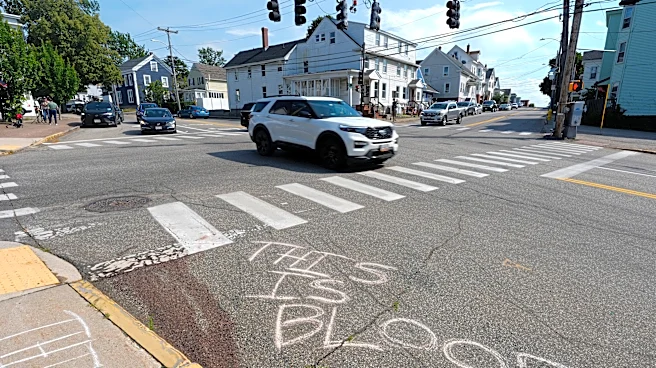
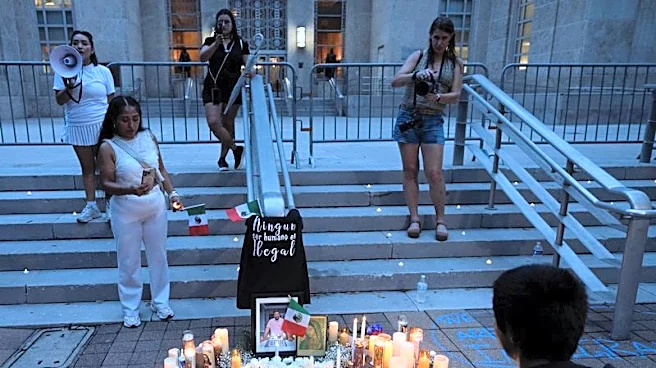
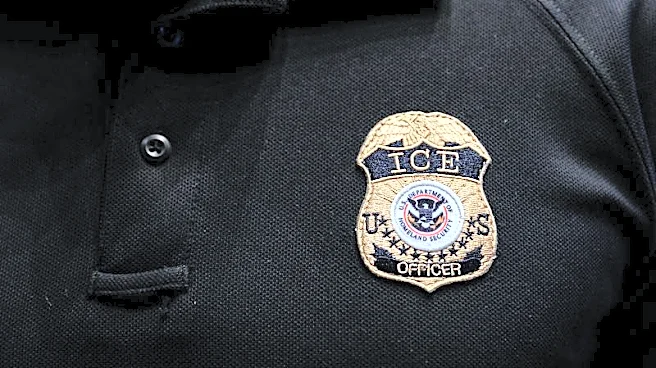
Republican U.S. Senator Susan Collins of Maine is facing backlash following a fatal shooting involving U.S. Immigration and Customs Enforcement (ICE) in Biddeford, Maine. The incident, which resulted in the death of a 26-year-old Colombian man, has sparked
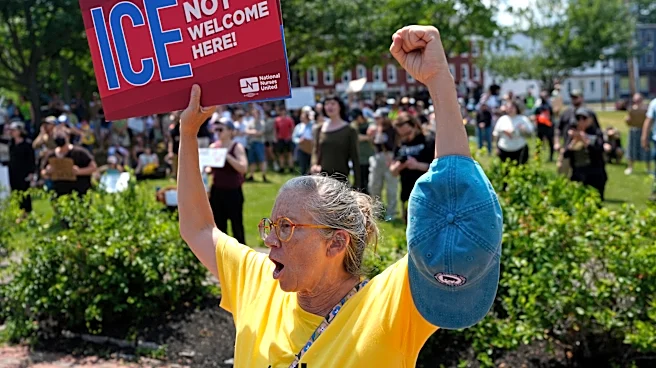
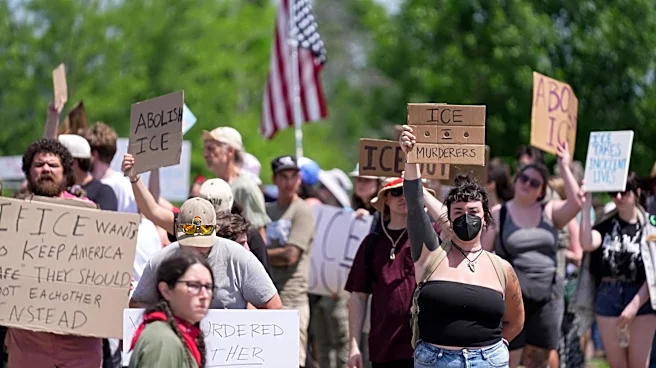
protests and criticism from Democratic candidates and immigrant rights groups. The shooting is the second fatal incident linked to ICE in less than a week, raising concerns about the agency's operations and the broader immigration enforcement policies under President Trump's administration. Collins, who has previously supported significant funding for immigration enforcement, is now under scrutiny as she prepares for a competitive Senate race in November. The incident has intensified the debate over immigration policies in Maine, a state with a significant immigrant population.
Why It's Important?
The shooting in Biddeford has significant implications for the upcoming Maine Senate race, where Senator Collins is seeking reelection. The incident has brought national attention to the state's immigration policies and Collins' support for ICE, potentially influencing voter sentiment. The backlash from Democratic candidates and immigrant rights groups highlights the contentious nature of immigration enforcement in the U.S. and the political risks for lawmakers who support aggressive policies. The incident also underscores the broader national debate over immigration, with potential impacts on public policy and the lives of immigrant communities. As the election approaches, Collins' handling of the situation and her stance on immigration could be pivotal in determining the outcome of the race.
What's Next?
The Maine Democratic Party is set to hold a statewide convention on July 25 to select a new candidate to challenge Collins in the Senate race, following the withdrawal of the previous nominee due to a scandal. The outcome of this convention will be crucial in shaping the electoral landscape in Maine. Meanwhile, the FBI is investigating the circumstances of the Biddeford shooting, and further details could influence public opinion and political dynamics. The incident may also prompt calls for policy changes or increased oversight of ICE operations, both in Maine and nationally. As protests continue, the response from Collins and other political leaders will be closely watched.
Beyond the Headlines
The Biddeford shooting raises deeper questions about the ethical and legal dimensions of immigration enforcement in the U.S. The use of deadly force by federal agencies, particularly in operations involving non-violent immigrants, is a contentious issue that could lead to calls for reform. The incident also highlights the cultural tensions surrounding immigration in the U.S., as communities grapple with the impact of federal policies on local populations. Long-term, the shooting could contribute to shifts in public attitudes toward immigration and influence future legislative efforts to address these complex issues.