




What's Happening?
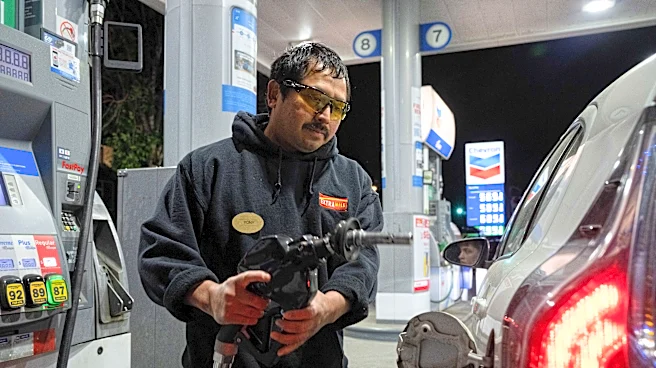
Fox News has labeled the U.S. economy as 'possibly a disaster' as President Trump's approval rating on economic management falls to 30%. This decline is attributed to rising inflation and the cost of living, with gas prices exceeding $4 per gallon due
to the conflict in Iran. The Consumer Price Index (CPI) indicates a 3.3% inflation rate in March, exacerbating public dissatisfaction. Despite the administration's claims of an 'economic boom,' a significant portion of Americans, particularly in suburban and working-class districts, are feeling the financial strain. This sentiment is reflected in the latest AP-NORC poll, which shows a growing number of Americans rating the economy as 'poor.'
Why It's Important?
The economic situation poses a significant political challenge for Republicans, who must address public concerns about the cost of living. The disconnect between the administration's economic messaging and the public's lived experience could impact voter confidence and influence upcoming elections. The sustained inflation and high gas prices are reshaping consumer expectations, making it difficult for even modest economic improvements to be felt. This environment creates a political liability for the administration, as voters prioritize tangible improvements in their daily expenses over broader economic indicators.
What's Next?
If gas prices remain high, the narrative of economic mismanagement may persist, potentially affecting the GOP's political standing. The Federal Reserve may face pressure to maintain higher interest rates to combat inflation, delaying potential rate cuts. Economists warn of a possible recession, with several financial firms increasing their recession risk forecasts. The administration will need to address these economic challenges to stabilize public confidence and mitigate political fallout.
Beyond the Headlines
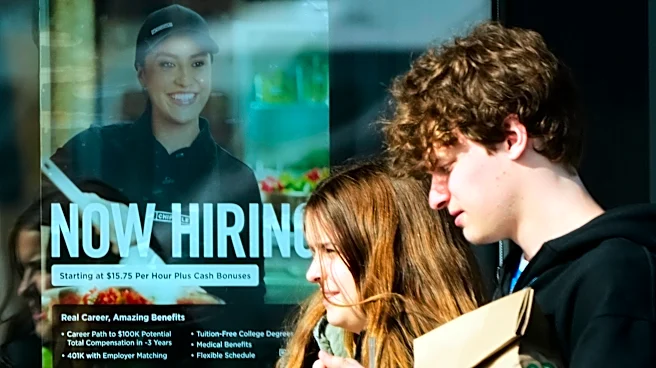
The economic pressures highlight a broader issue of income inequality and the financial vulnerability of many American households. Rising housing costs and stagnant wages compound the inflation problem, leaving little room for financial security. The situation underscores the need for comprehensive economic policies that address both short-term inflationary pressures and long-term structural issues in the economy.