

What's Happening?
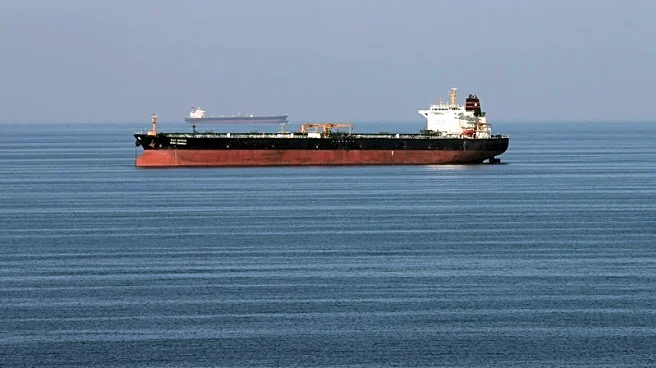
The Trump administration has announced a $20 billion reinsurance program aimed at supporting oil tankers and maritime traffic affected by the ongoing conflict in the Strait of Hormuz. This initiative is a response to the significant disruption in oil transportation
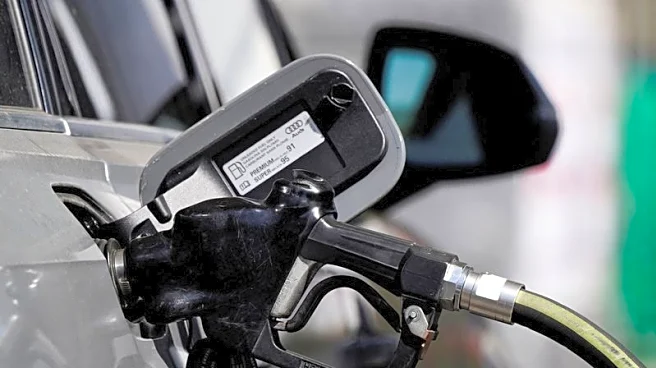
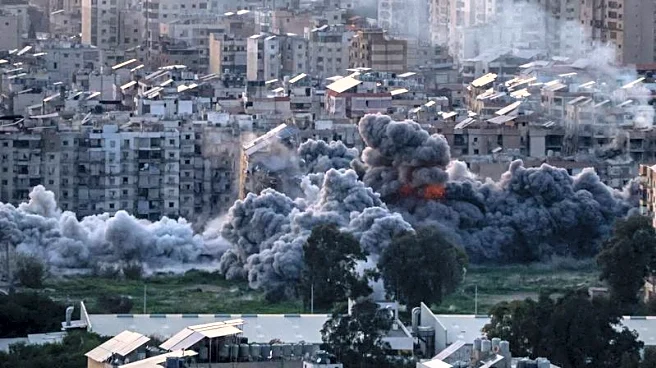
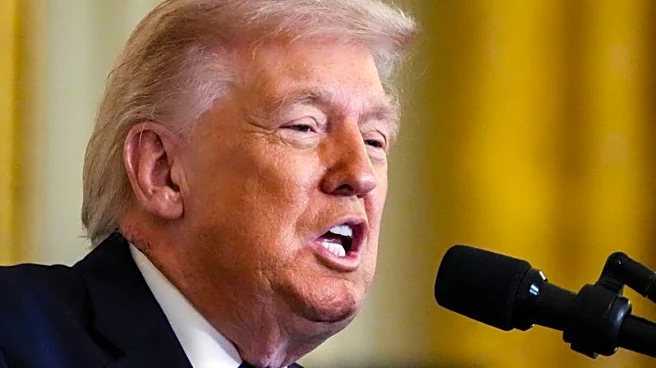
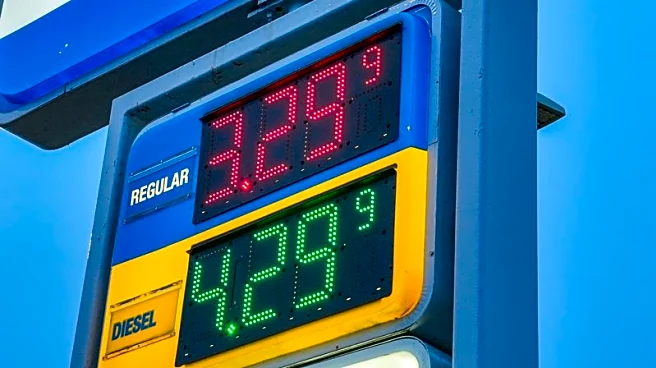
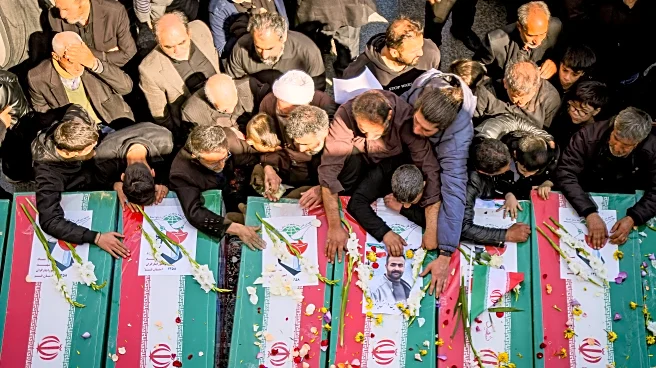
caused by the Iran war, which has led to a surge in U.S. crude oil prices, exceeding $90 per barrel. The U.S. International Development Finance Corporation (DFC) will manage the insurance of losses up to $20 billion on a rolling basis, in collaboration with the Treasury Department and U.S. Central Command. The program is designed to ensure the continued flow of oil, gasoline, liquefied natural gas (LNG), jet fuel, and fertilizer through this critical maritime chokepoint. President Trump has also indicated that the U.S. Navy may provide escorts for commercial vessels if necessary, as several oil tankers have been attacked since the escalation of hostilities.
Why It's Important?
The Strait of Hormuz is a vital artery for global energy supplies, with approximately 20% of the world's crude oil and liquefied natural gas exports passing through it. The disruption in this region has significant implications for global energy markets and economic stability. The reinsurance program is crucial for mitigating the economic impact of the conflict, ensuring that energy supplies remain uninterrupted. This move also underscores the strategic importance of the Strait and the U.S.'s commitment to maintaining open and secure shipping lanes. The program could stabilize oil prices and reassure global markets, but it also highlights the geopolitical risks associated with the region.
What's Next?
The success of the reinsurance program will depend on the ability to restore confidence among ship owners and operators regarding the security of the Strait of Hormuz. The U.S. may need to increase its military presence in the region to deter further attacks and ensure safe passage for commercial vessels. Additionally, diplomatic efforts may be necessary to de-escalate tensions and prevent further disruptions. The international community will be closely monitoring the situation, as prolonged instability could lead to broader economic repercussions.