




What's Happening?
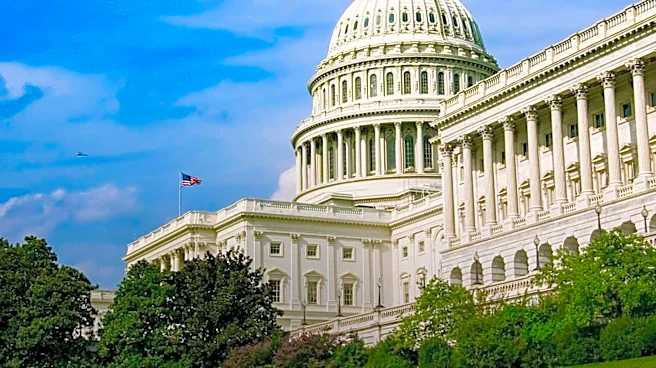
Thirteen House Democrats joined Republicans to pass legislation that includes new voter identification requirements for federal elections. The bill, known as H.R. 7008, combines the Voter ID Act with the Stop Insider Trading Act, creating a package that addresses
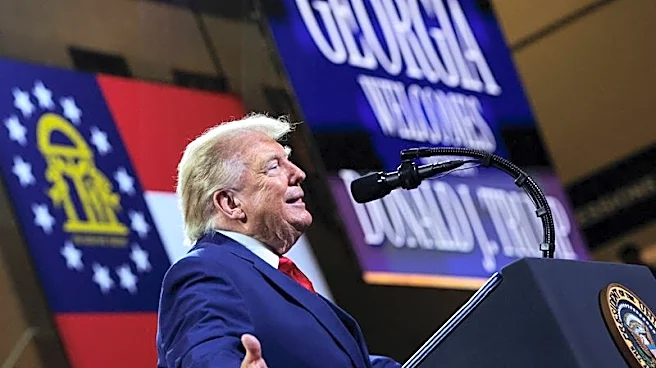
both election law changes and congressional ethics reforms. This move revives debate over the controversial SAVE America Act, a Trump-backed election overhaul that has faced challenges in the Senate. The legislation requires voters to provide documentary proof of U.S. citizenship when registering to vote in federal elections and establishes national voter ID requirements. The bill has sparked significant debate, with some Democrats supporting the stock trading ban but opposing the voter ID provisions.
Why It's Important?
The passage of this legislation is significant as it highlights the ongoing partisan divide over voter ID laws in the United States. The inclusion of voter ID requirements in a bill primarily focused on congressional ethics reforms underscores the strategic legislative maneuvers used to advance controversial policies. The potential impact on voter access is a major concern, as critics argue that the requirements could disenfranchise eligible voters who lack the necessary documentation. The bill's passage in the House, despite Democratic opposition, reflects the complexities of bipartisan support and the challenges of balancing election security with voter accessibility. The outcome of this legislation could influence future election procedures and voter participation rates.
What's Next?
The bill now moves to the Senate, where it faces significant opposition from Democrats. The Senate's response will be crucial in determining the future of the voter ID provisions. If the Senate strips these provisions, it could lead to further negotiations and potential revisions. The debate over voter ID laws is likely to continue, with both parties using the issue to rally their respective bases. The outcome could also impact upcoming elections, as changes to voter ID requirements may affect voter turnout and election administration. Stakeholders, including civil rights organizations and election officials, will be closely monitoring the Senate's actions and preparing for potential legal challenges.