






What's Happening?
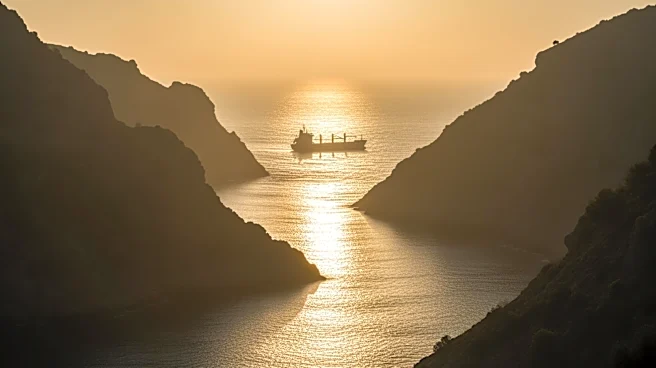
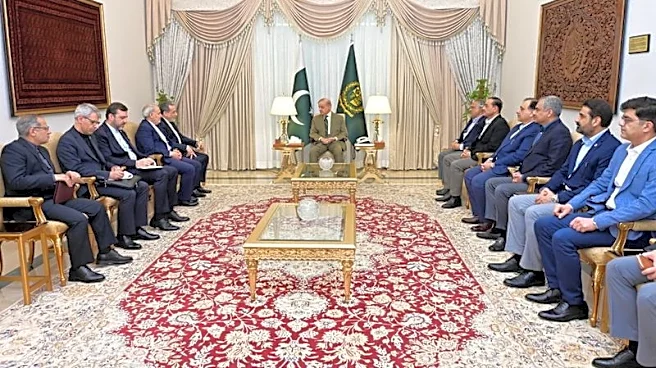
Iran has proposed reopening the Strait of Hormuz if the US lifts its blockade and ends the ongoing war. This proposal, which does not address Iran's nuclear program, was passed to the US by Pakistan. The blockade has significantly impacted global oil
and gas supplies, leading to increased prices. The US, led by President Trump, is unlikely to accept the proposal without addressing nuclear concerns. The conflict has resulted in thousands of casualties and has strained international relations.
Why It's Important?
The Strait of Hormuz is a critical chokepoint for global oil and gas supplies, and its closure has had widespread economic repercussions. Iran's proposal could potentially ease these pressures, but the US's insistence on including nuclear negotiations complicates the situation. The outcome of these discussions could have far-reaching implications for global energy markets, regional stability, and US-Iran relations.
What's Next?
The US and Iran are at a diplomatic impasse, with the potential for further negotiations hinging on the acceptance of Iran's proposal. The international community, particularly countries reliant on Middle Eastern oil, will be closely monitoring these developments. A resolution could lead to a stabilization of oil markets and a reduction in regional tensions, but significant challenges remain.