





What's Happening?
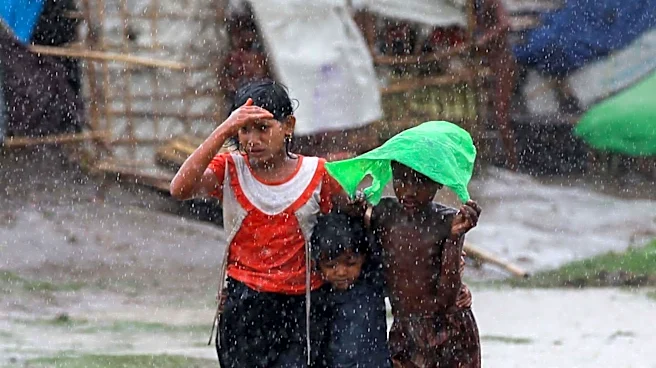
The UN Office for the Coordination of Humanitarian Affairs (OCHA) has reported that shelter conditions for the majority of Gazans are critical to catastrophic with the onset of the rainy season. According to OCHA, an estimated 1.2 million people, or 58
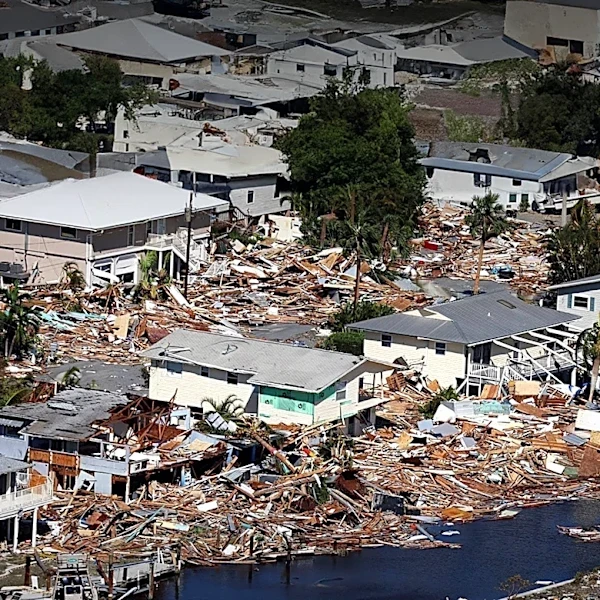
percent of the population, are facing severe housing challenges. Humanitarian partners indicate that over 65 percent of assessed families are living in tents or makeshift shelters, with more than half of these being in poor or very poor condition. The situation is exacerbated by widespread destruction, immense humanitarian needs, and ongoing restrictions on access and the entry of essential supplies. The UN has urged Israeli authorities to approve the entry of heavy equipment, durable shelter materials, and other necessary items to repair damaged buildings and ensure safer living conditions for the population. This comes after two recent incidents where war-damaged residential buildings collapsed in Gaza City, one of which killed at least 21 people, including 11 children.
Why It's Important?
The deteriorating shelter conditions in Gaza, highlighted by OCHA, underscore a severe humanitarian crisis with significant implications for public health and safety. The arrival of the rainy season will likely worsen the living situation for over a million people, increasing their vulnerability to illness and further displacement. The restrictions on essential supplies and heavy equipment impede reconstruction efforts, prolonging the suffering and instability in the region. This situation also places immense pressure on humanitarian organizations, which are struggling to provide adequate support amidst the ongoing challenges. The call for approval of construction materials by the UN emphasizes the urgent need for international cooperation and policy changes to facilitate humanitarian aid and reconstruction, which are crucial for preventing further loss of life and improving the quality of life for Gazans.
What's Next?
In the immediate future, humanitarian organizations, including OCHA and its partners, will continue to provide rapid assistance, such as tents, tarpaulins, kitchen sets, and blankets, to affected families. However, the long-term solution hinges on the approval and entry of heavy equipment and durable shelter materials by Israeli authorities, as repeatedly urged by the UN. Without these approvals, large-scale reconstruction and repair of damaged buildings will remain stalled, leaving a significant portion of the population in precarious living conditions. International advocacy efforts are expected to intensify, pushing for policy changes that ease restrictions on humanitarian access and the flow of essential goods into Gaza. The ongoing humanitarian crisis will likely remain a focal point for international bodies and aid organizations, with continued calls for a more sustainable and comprehensive approach to addressing the shelter needs of Gazans.
Beyond the Headlines
The critical shelter crisis in Gaza extends beyond immediate humanitarian concerns, touching upon deeper issues of human dignity, long-term recovery, and regional stability. The inability to rebuild and secure safe housing perpetuates a cycle of displacement and vulnerability, hindering any prospects for sustainable development and peace. The restrictions on essential materials not only impact physical infrastructure but also undermine the psychological well-being of the population, particularly children, who are growing up amidst constant instability and destruction. This situation raises profound questions about international obligations to protect civilians in conflict zones and the effectiveness of current humanitarian frameworks. The ongoing challenges in Gaza serve as a stark reminder of the complex interplay between political conflict, humanitarian aid, and the fundamental right to adequate housing, highlighting the need for sustained international attention and concerted efforts to address the root causes of the crisis.