
What's Happening?
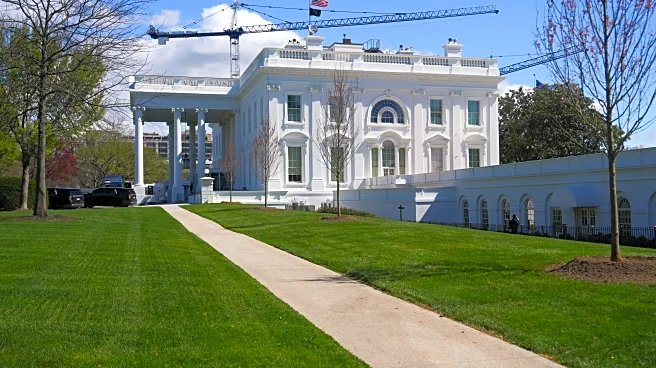
A federal judge has issued a preliminary injunction to halt the construction of a $400 million ballroom at the White House, siding with preservationists who argue that President Trump exceeded his authority. The National Trust for Historic Preservation
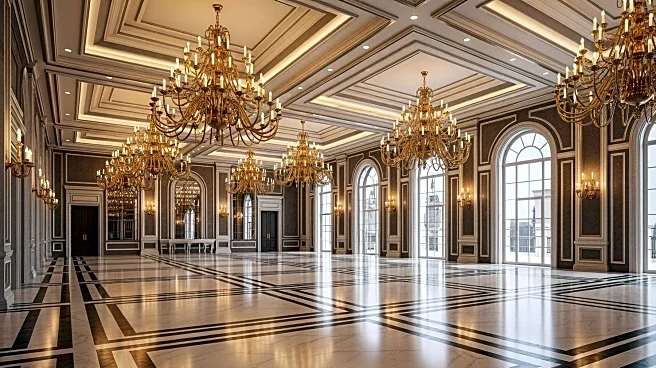
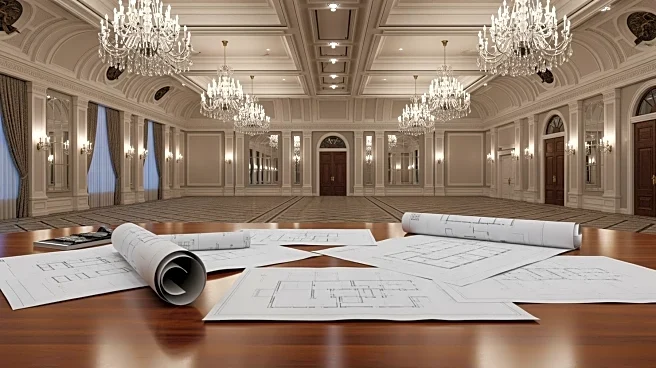
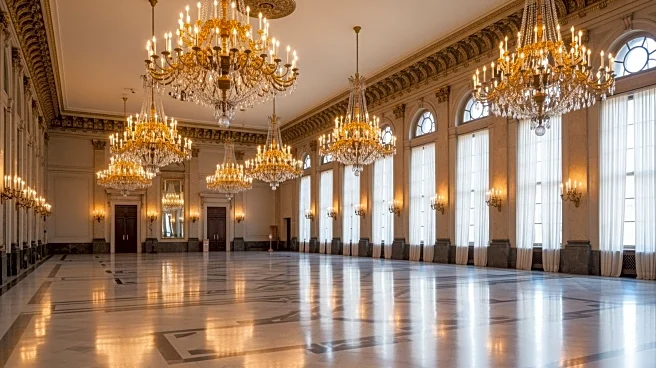
filed the lawsuit, claiming the White House is a protected national historic asset. U.S. District Judge Richard Leon, appointed by President George W. Bush, ruled that the preservationist group is likely to succeed in its case. The ballroom project, announced last summer, involves demolishing the East Wing to make way for a 90,000-square-foot space funded through private donations, including contributions from Trump.
Why It's Important?
The ruling highlights the legal constraints on presidential authority regarding changes to historic sites like the White House. It raises questions about the balance of power between the executive branch and legislative oversight. The decision could impact the administration's plans to modernize the White House, emphasizing the importance of preserving national historic assets. The case also draws attention to the role of private donations in government projects, potentially affecting transparency and accountability in public spending.
What's Next?
The Trump administration has filed a notice of appeal against the judge's decision, indicating a legal battle ahead. The National Trust for Historic Preservation will continue to push for congressional approval and independent reviews before any further construction. The case may set a precedent for future presidential projects involving historic sites, influencing how such initiatives are planned and executed. The administration's appeal could lead to further scrutiny of the legal arguments surrounding presidential authority and the use of private funds for public projects.