



What's Happening?
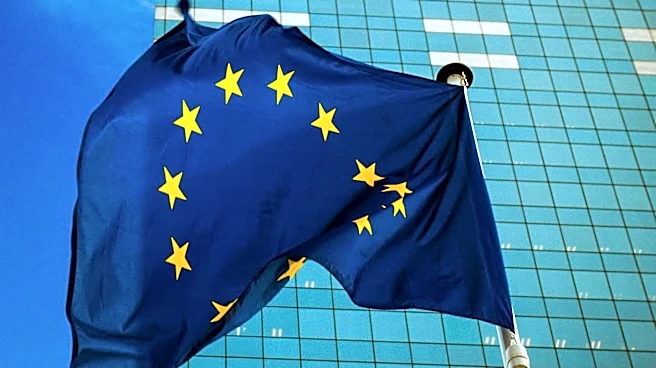
On October 21, the European Commission officially removed LOGARCHEO S.A., a Swiss company, from the EU Iraq sanctions list. This decision was made under powers delegated by Article 11(b) of Council Regulation (EC) 1210/2003. LOGARCHEO S.A. had been subject
to EU sanctions since 2006 due to its alleged association with the regime of former Iraqi President Saddam Hussein. The delisting by the EU follows a similar decision made on October 5 by the UN Security Council Committee, which also removed the company from its corresponding sanctions list. As a direct consequence of this removal, LOGARCHEO S.A. is no longer subject to the restrictive measures previously applicable under the EU Iraq sanctions regime, which included an asset freeze and a prohibition on making funds or economic resources available to the company.
Why It's Important?
This action signifies the EU's adherence to international legal processes and its commitment to updating sanctions lists based on evolving circumstances and UN decisions. The removal of LOGARCHEO S.A. from the sanctions list indicates that the company is no longer deemed to pose a threat or be associated with the former Iraqi regime, allowing it to resume normal economic activities within the EU. For U.S. businesses and financial institutions, this delisting is important as it clarifies that transactions with LOGARCHEO S.A. are no longer subject to EU-related restrictions, potentially simplifying compliance for entities operating internationally. It also highlights the interconnectedness of global sanctions regimes, where decisions by one major international body, like the UN, often trigger corresponding actions by others, such as the EU. This process ensures that sanctions remain targeted and relevant, avoiding undue economic impact on entities that no longer meet the criteria for designation.
What's Next?
With its removal from the EU Iraq sanctions list, LOGARCHEO S.A. can now operate without the previous financial and economic restrictions within the European Union. The company will likely seek to re-establish its business relationships and financial operations that were impacted by the sanctions. Other international bodies and individual nations that had mirrored the UN or EU sanctions might also review their own lists in light of these delistings. This event serves as a reminder for businesses and financial institutions to regularly check updated sanctions lists from relevant authorities to ensure ongoing compliance. The EU will continue to monitor its sanctions regimes and make adjustments as necessary, based on international developments and assessments of geopolitical risks.
Beyond the Headlines
The delisting of LOGARCHEO S.A. underscores the dynamic nature of international sanctions and the importance of due process in their application and removal. While sanctions are powerful tools for foreign policy, their long-term effectiveness and legitimacy depend on their ability to be adjusted as circumstances change. This case illustrates that sanctions are not necessarily permanent and that entities can be removed once they no longer meet the criteria for designation. It also highlights the significant economic and reputational impact that sanctions can have on a company, even years after the initial designation. The process of delisting, often initiated by UN decisions, reinforces the role of international consensus in shaping global economic restrictions and ensuring that such measures are proportionate and justifiable over time. This also provides a pathway for entities to seek redress and demonstrate their disassociation from sanctioned activities.