






What's Happening?
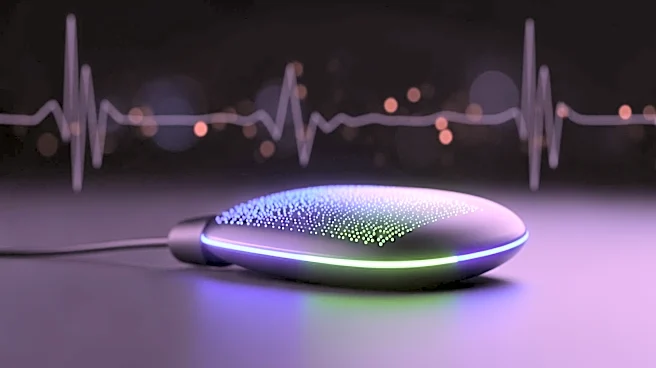
A new technology is providing hope for individuals suffering from Parkinson's disease, a condition affecting over a million Americans. The technology, known as adaptive deep brain stimulation, is being highlighted by NBC News' Dr. Akshay Syal. This innovative
approach involves the use of a device that adjusts its stimulation in response to the patient's brain activity, potentially improving the management of symptoms. The report includes an interview with a woman diagnosed with Parkinson's in her 30s, who shares how this technology has significantly impacted her life. The adaptive nature of the device allows for more personalized treatment, which could lead to better outcomes for patients.
Why It's Important?
The introduction of adaptive deep brain stimulation represents a significant advancement in the treatment of Parkinson's disease. This technology could revolutionize how symptoms are managed, offering a more tailored approach that adapts to the individual needs of patients. For the millions affected by Parkinson's, this could mean improved quality of life and greater independence. The potential for this technology to reduce the burden on healthcare systems is also notable, as it may decrease the need for frequent adjustments and interventions by healthcare professionals. Furthermore, it highlights the ongoing innovation in medical technology aimed at addressing chronic neurological conditions.