





What's Happening?
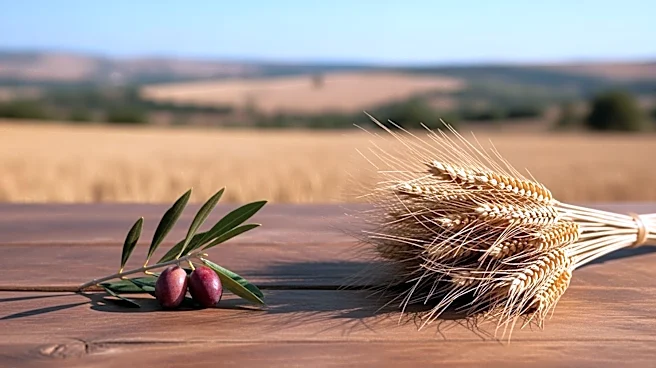
Rural Development and Food Minister Margaritis Schinas has identified three key priorities for Greece's agricultural policy during a discussion at the Delphi Economic Forum. These priorities include reorganizing the payments system, implementing the new
Common Agricultural Policy (CAP) for 2028-2034, and managing animal disease outbreaks. Schinas emphasized the need to transition from the current payments system to a new one managed by the Independent Authority for Public Revenue, a move that aligns with commitments to the European Commission. The new CAP aims to support a wide range of producers, from small to large. Additionally, Schinas highlighted the severe threat posed by foot-and-mouth disease, likening its potential impact to that of COVID-19, and noted that while vaccination is not yet deemed necessary, it remains a consideration.
Why It's Important?
The outlined priorities are crucial for stabilizing and advancing Greece's agricultural sector, which is a significant part of the country's economy. The transition to a new payments system is expected to enhance efficiency and compliance with European standards, potentially increasing financial support for Greek farmers. The new CAP framework is designed to be inclusive, offering benefits across different scales of agricultural operations, which could lead to more equitable growth in the sector. Addressing animal disease outbreaks is vital to prevent catastrophic impacts on livestock, which could have severe economic repercussions. The proactive stance on potential vaccination reflects a commitment to safeguarding the agricultural industry against future threats.
What's Next?
The Greek government will continue to work on the transition to the new payments system, ensuring it meets European Commission requirements. As the CAP framework is finalized, stakeholders in the agricultural sector will likely engage in discussions to ensure their interests are represented. Monitoring and managing animal disease outbreaks will remain a priority, with potential policy adjustments if the situation escalates. The government may also explore further preventive measures, including vaccination, to protect the livestock sector.