








What's Happening?
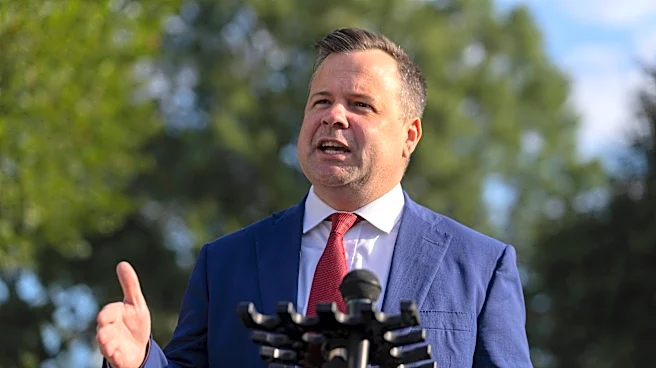
Congressman Dave Taylor's MAGA (Make American Guns Again) Act has successfully advanced in the House Armed Services Committee as part of the Fiscal Year 2027 National Defense Authorization Act (NDAA). The Act is designed to reduce the U.S. military's
reliance on foreign manufacturing for small arms by mandating a report from the Secretary of War on the sourcing of these weapons. This initiative aims to promote domestic manufacturing and job creation within the United States. The NDAA, which is reauthorized annually, addresses various military needs, including pay and benefits for service members, and is crucial for enhancing the defense industrial base and overall military readiness.
Why It's Important?
The advancement of the MAGA Act is significant as it underscores a strategic shift towards bolstering domestic manufacturing capabilities, particularly in the defense sector. By reducing dependency on foreign sources for military equipment, the Act aims to enhance national security and stimulate economic growth through job creation in the manufacturing industry. This move could potentially lead to increased investment in domestic arms production facilities and supply chains, thereby strengthening the U.S. defense industrial base. Additionally, the Act aligns with broader political efforts to prioritize American manufacturing and reduce foreign reliance, which could have long-term implications for U.S. economic and defense policies.
What's Next?
As the MAGA Act progresses through the legislative process, it will likely face further scrutiny and debate in Congress. Key stakeholders, including defense contractors, manufacturing associations, and political leaders, may weigh in on the potential impacts of the Act. If successfully integrated into the final NDAA, the Act could lead to new regulations and incentives for domestic arms manufacturers. The focus will be on how effectively the Act can be implemented to achieve its goals of reducing foreign reliance and boosting domestic production. Future discussions may also explore additional measures to support the U.S. manufacturing sector in other critical areas.