





What's Happening?
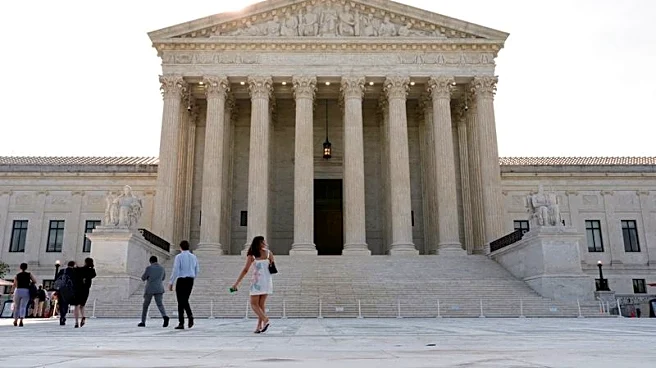
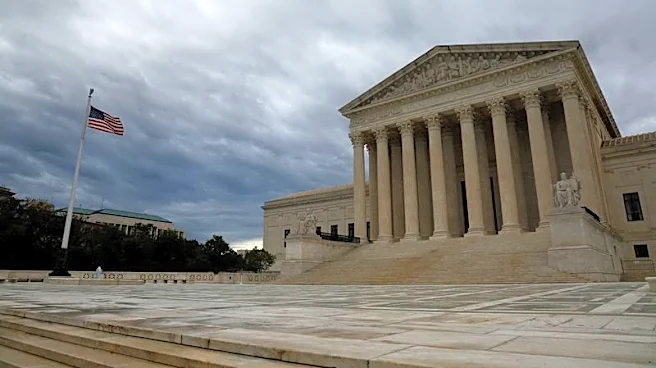
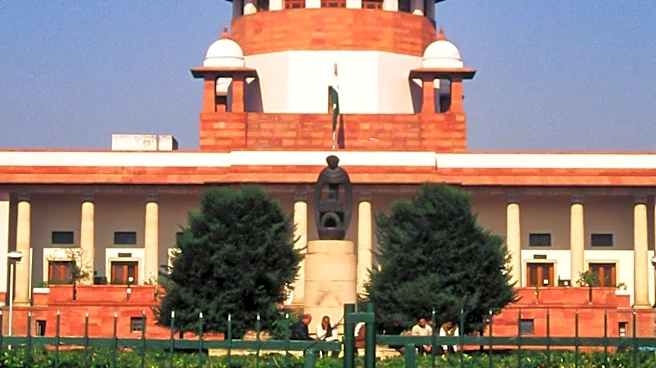
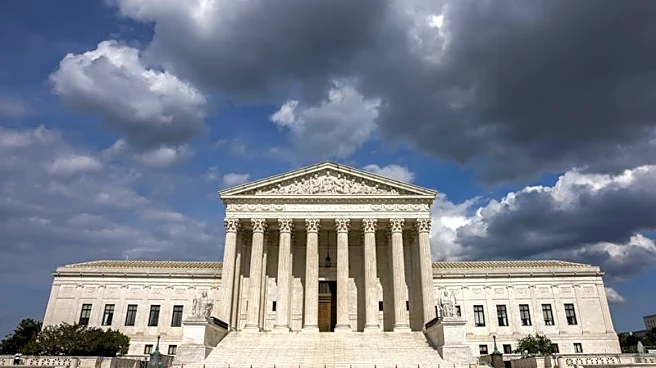
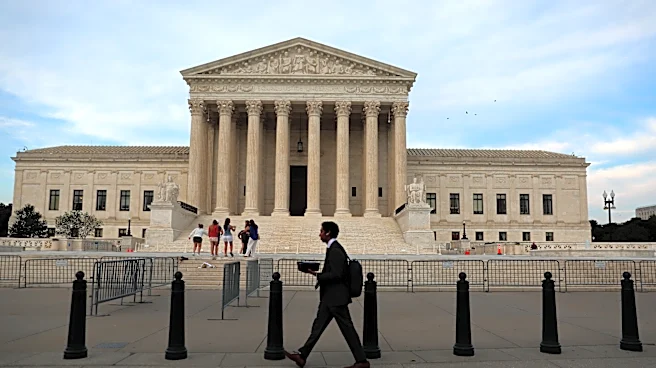
The U.S. Supreme Court has upheld President Trump's 2025 firing of a Democratic Federal Trade Commission (FTC) member, a decision that could significantly alter the operation of independent federal agencies. The ruling shifts the power to remove leaders
of these agencies from Congress to the president, potentially affecting the U.S. Consumer Product Safety Commission (CPSC) and other similar bodies. The decision overturns a 90-year-old precedent, Humphrey's Executor v. United States, which had previously limited presidential power over independent agency leaders. This change could lead to increased political influence over agencies tasked with consumer protection.
Why It's Important?
The Supreme Court's decision has far-reaching implications for the independence of federal agencies responsible for consumer protection. By granting the president greater authority to remove agency leaders, the ruling could politicize agencies like the FTC and CPSC, potentially undermining their ability to act as impartial watchdogs. Consumer advocates warn that this could weaken protections against corporate abuses and reduce accountability. Conversely, supporters argue that the decision restores constitutional balance by ensuring that agencies remain accountable to the executive branch and, by extension, the electorate.
Beyond the Headlines
The ruling may lead to increased scrutiny of agency decisions and a reevaluation of the role of independent agencies in the federal government. It raises questions about the separation of powers and the potential for executive overreach. The decision could also prompt legislative efforts to redefine the structure and oversight of federal agencies, as stakeholders seek to balance independence with accountability. The impact on consumer protection and regulatory enforcement will likely be a topic of ongoing debate and analysis.