
What's Happening?
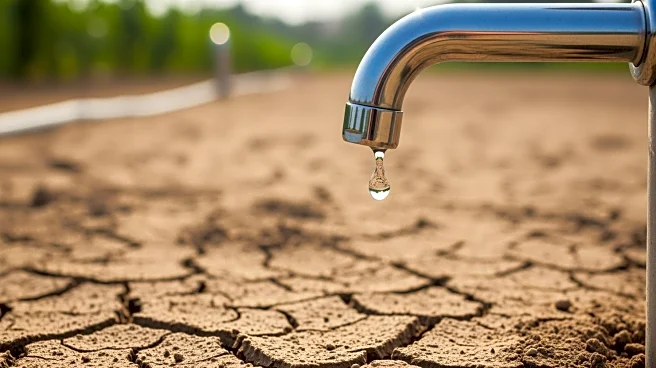
In Erie, Colorado, town officials have announced a potential measure to shut off water to residents who fail to comply with irrigation restrictions. This decision comes as the town faces unseasonably warm weather, which is straining its limited winter
water supply. The move is described as 'extraordinary' by local authorities, highlighting the severity of the situation. The restrictions are part of efforts to manage water resources more effectively during a period of increased demand and reduced supply. The town's decision underscores the challenges faced by communities in managing water resources amid changing climate conditions.
Why It's Important?
The situation in Erie reflects broader challenges faced by many communities in the western United States, where water scarcity is becoming an increasingly pressing issue. As climate change leads to more frequent and severe droughts, towns and cities must find ways to manage limited water resources. The potential for water shutoffs in Erie highlights the difficult decisions that local governments may need to make to ensure sustainable water use. This could have significant implications for residents, particularly those who rely on irrigation for landscaping or agriculture. The situation also underscores the need for long-term solutions to address water scarcity in the region.
What's Next?
If the current weather patterns persist, Erie officials may proceed with water shutoffs for non-compliant residents. This could lead to increased tensions between the town and its residents, particularly if the restrictions impact agricultural activities or lead to significant changes in landscaping practices. The town may also explore additional measures to conserve water, such as public awareness campaigns or incentives for water-saving technologies. The situation in Erie could serve as a case study for other communities facing similar challenges, prompting discussions on best practices for water management in drought-prone areas.