



What's Happening?
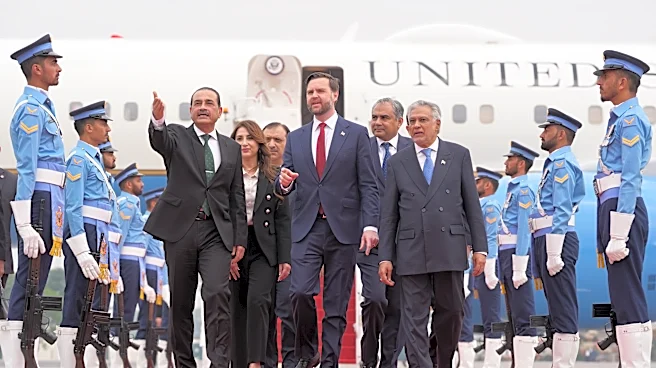
Negotiations between the United States and Iran have commenced in Islamabad, Pakistan, following progress in earlier indirect discussions. The talks involve three parties: the U.S., Iran, and Pakistan, and are aimed at establishing a ceasefire and addressing
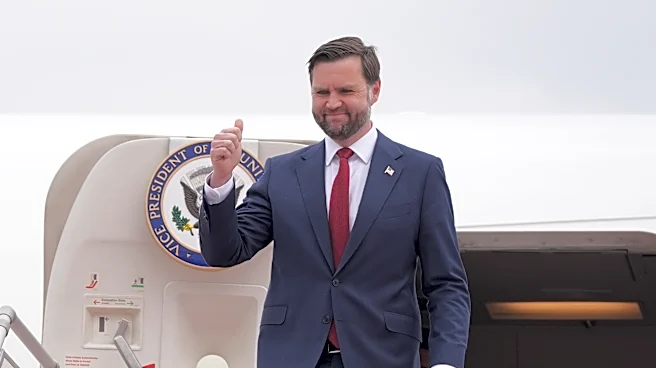
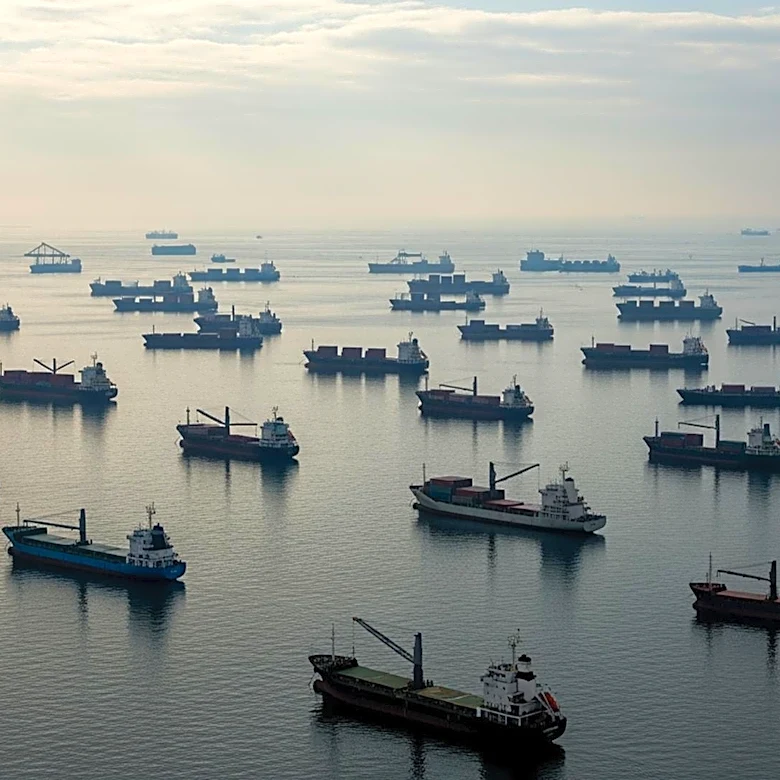
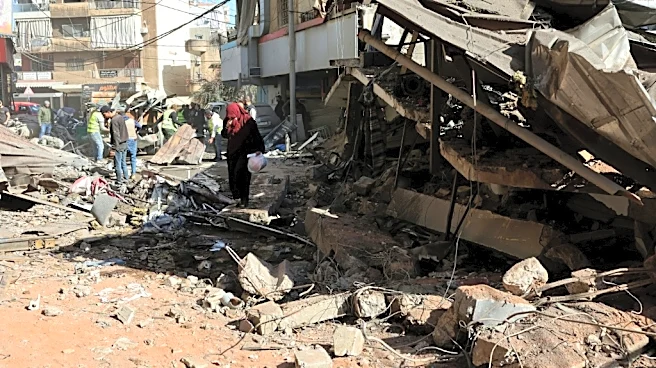
key issues such as Iran's nuclear program and the control of the Strait of Hormuz. The U.S. delegation, led by Vice President JD Vance, and the Iranian delegation, headed by Parliament Speaker Mohammad Bagher Qalibaf, are meeting to discuss these matters. The negotiations come after a reduction in Israeli strikes on southern Lebanon, which was a precondition for the talks. Despite the ceasefire, unresolved issues remain, including Iran's demand for the lifting of economic sanctions and the release of blocked Iranian assets.
Why It's Important?
The negotiations are significant as they represent a potential turning point in U.S.-Iran relations, which have been strained due to conflicts over Iran's nuclear ambitions and regional influence. The outcome of these talks could impact global oil markets, given Iran's control over the Strait of Hormuz, a critical chokepoint for oil transportation. Additionally, the talks could influence regional stability, particularly in Lebanon and the broader Middle East, where Iran's support for armed proxies has been a point of contention. Successful negotiations could lead to a reduction in military tensions and economic sanctions, benefiting both countries and potentially stabilizing global energy prices.
What's Next?
The next steps in the negotiations will likely involve addressing the specific demands of both parties, including Iran's conditions for a ceasefire and the U.S.'s requirements for nuclear program restrictions. The talks are expected to continue with the involvement of mediators from Pakistan, and the outcome will depend on the willingness of both sides to compromise. The international community, including countries like France and Turkey, is closely monitoring the situation, with some leaders calling for a robust diplomatic solution. The U.S. has also indicated that it is prepared to take military action if the talks fail, adding pressure to reach a resolution.