



What's Happening?
Actress Shailene Woodley participated in a 2019 Greenpeace expedition to the Sargasso Sea, joining scientists to collect samples for microplastic research. The Sargasso Sea, a remote open-ocean ecosystem in the North Atlantic defined by ocean currents,
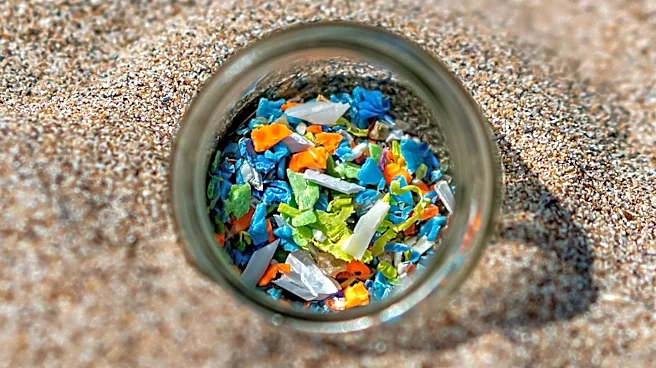
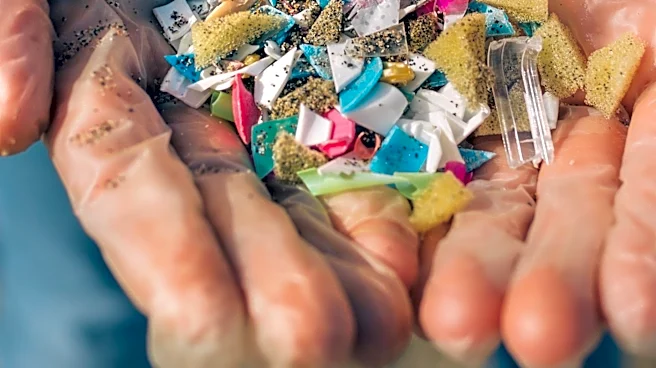
was chosen due to its isolation from heavily developed coastal environments. Despite its remote nature, one sample collected during the expedition contained 1,298 microplastic fragments, a concentration reported to exceed levels found in the Great Pacific Garbage Patch. This finding highlights that plastic pollution, particularly microplastics, is not confined to visible coastal litter or well-known garbage patches but is dispersed throughout even distant ocean waters. The expedition's onboard analysis traced much of the pollution to single-use plastic bottles and packaging, reinforcing the broader campaign for stronger protection of international waters and the establishment of fully safeguarded ocean sanctuaries.
Why It's Important?
The discovery of high concentrations of microplastics in the remote Sargasso Sea is important because it challenges the perception that marine pollution is primarily a localized issue near coastlines. This finding demonstrates that ocean currents effectively transport plastic debris, breaking it down into tiny fragments that can accumulate in isolated ecosystems far from their origin. The Sargasso Sea is a critical habitat, serving as a nursery for juvenile sea turtles and other marine organisms that rely on its floating Sargassum mats for shelter and feeding. The presence of microplastics in this vital ecosystem raises concerns about their potential interaction with marine life at various levels of the food web, with unknown long-term ecological consequences. This research underscores the global scale of plastic pollution and the urgent need for comprehensive solutions beyond local cleanup efforts, emphasizing the importance of reducing single-use plastics and protecting international waters.
What's Next?
The findings from the Sargasso Sea expedition are expected to fuel ongoing advocacy for stronger international agreements to protect marine environments. Shailene Woodley's continued involvement, including her advocacy for the High Seas Treaty and appearances related to marine conservation, suggests that public figures will likely continue to lend their voices to these efforts. The data collected will contribute to the broader scientific understanding of microplastic distribution and its impact on remote ecosystems, potentially influencing policy discussions at national and international levels regarding plastic production, waste management, and ocean conservation. Future research will likely focus on understanding the specific pathways of microplastic transport, their long-term effects on marine biodiversity, and developing effective strategies for prevention and mitigation of plastic pollution in international waters.
Beyond the Headlines
The Sargasso Sea expedition reveals a deeper, less visible dimension of the global plastic crisis. The fact that thousands of minute plastic particles can exist in seemingly pristine blue waters highlights the insidious nature of microplastic pollution, which often goes unnoticed by the naked eye. This challenges the conventional understanding of pollution, moving beyond visible litter to microscopic contaminants that permeate entire ocean systems. The involvement of a public figure like Shailene Woodley also underscores the evolving role of celebrity environmentalism, where engagement extends beyond mere photo opportunities to active participation in scientific research and policy advocacy. This shift emphasizes the need for credible, evidence-based campaigning to drive meaningful change in environmental protection, particularly in the context of complex and geographically dispersed issues like ocean plastic.