





What's Happening?
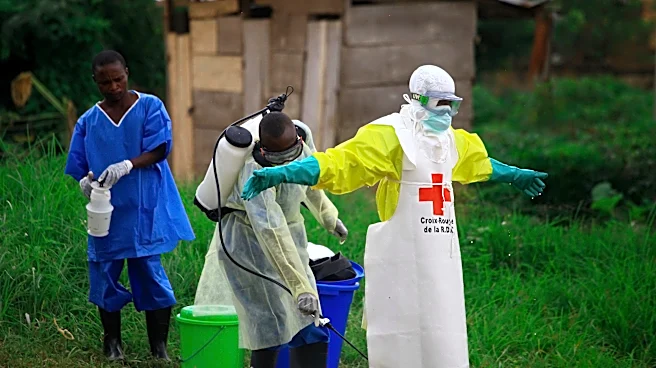
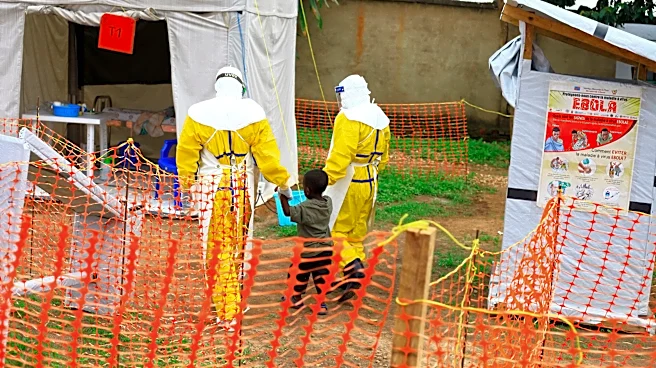
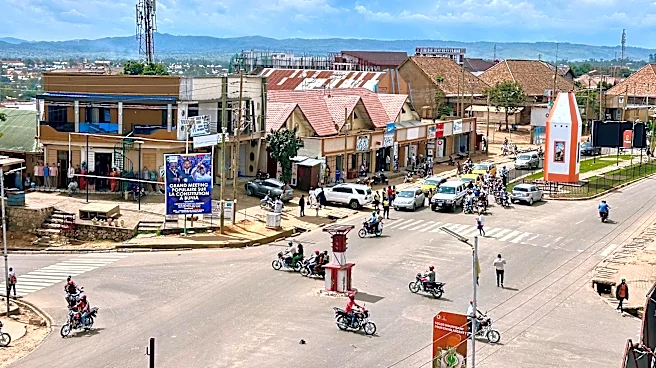
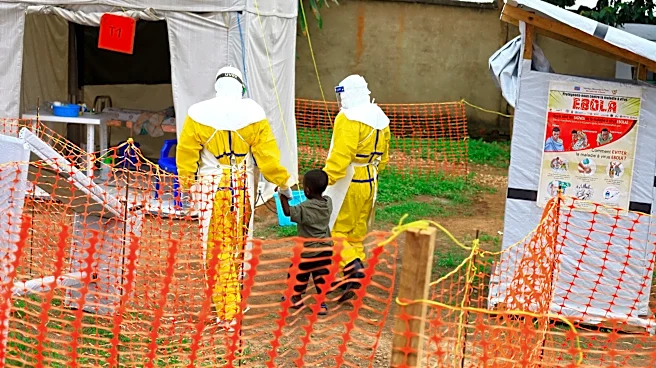
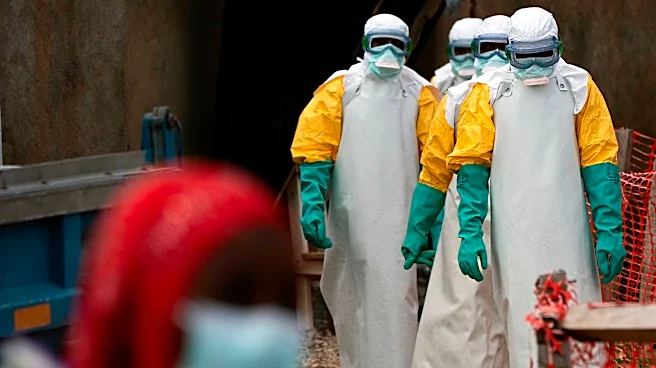
An Ebola outbreak has been confirmed in the Democratic Republic of the Congo's Ituri province, with the disease spreading to Uganda. The outbreak has resulted in 246 suspected cases and 65 deaths, primarily in the Mongwalu and Rwampara health zones. This
outbreak is notable for being caused by a strain other than the Zaire Ebola virus, which complicates response efforts as current vaccines and treatments are designed for the Zaire strain. The Africa CDC and US CDC are coordinating with local governments to strengthen surveillance and response efforts.
Why It's Important?
The emergence of an Ebola outbreak with an uncommon strain poses significant public health challenges. The lack of effective vaccines and treatments for this strain could lead to higher transmission rates and mortality. The outbreak's location in a region with high population movement increases the risk of further spread, potentially affecting neighboring countries. The situation underscores the need for robust international cooperation and rapid response capabilities to contain the outbreak and prevent a larger epidemic. The outbreak also highlights the importance of ongoing research and development for vaccines and treatments for all Ebola strains.
What's Next?
Health authorities will likely intensify efforts to contain the outbreak, including deploying medical teams and resources to affected areas. Genetic sequencing of the virus will continue to identify the specific strain and inform treatment strategies. International organizations may increase support to the region, providing funding and technical assistance. The situation will be closely monitored by global health agencies, with potential travel advisories and public health measures implemented to prevent further spread. The outbreak may prompt renewed discussions on global health security and preparedness for emerging infectious diseases.