






What's Happening?
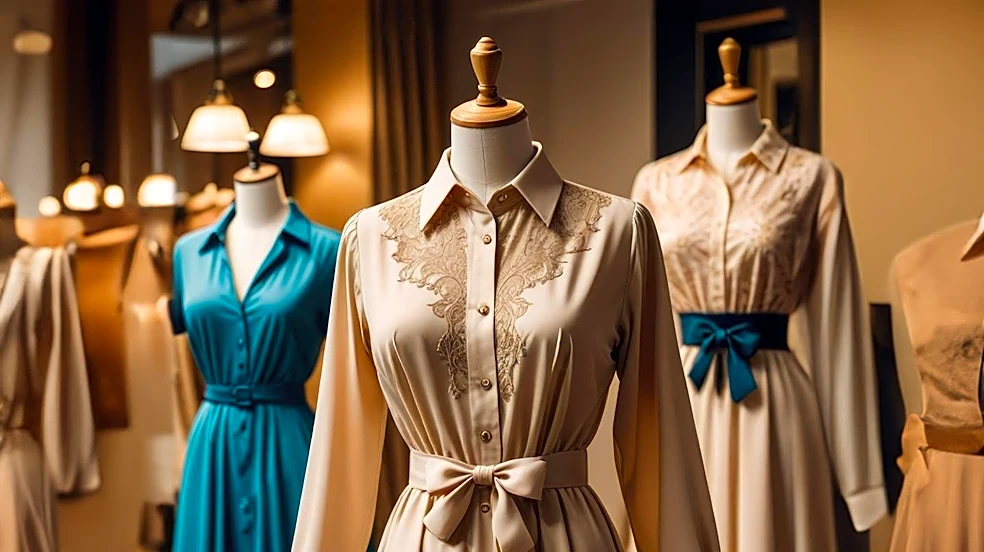
The University of Virginia's (UVA) Historic Clothing Collection, which houses garments dating back to the late 18th century, is undergoing a significant digital transformation. Managed by Associate Professor Marcy Linton, the collection, previously stored
beneath the Culbreth Theatre, is now accessible online through a new website. Fourth-year student Matthew Kim has spearheaded this digitization effort, which includes creating 3D scans of garments, allowing users to view them from all angles. Kim, who studies statistics and minors in computer science, began working on the project three years ago after taking a course with Linton. The process involves meticulously photographing items on a dress form from multiple angles to feed visual information into software, generating detailed 3D images. AI tools have also been utilized to code the website and enhance its searchability, enabling users to find similar garments or items from the same era. This initiative aims to make the collection, some pieces of which are too fragile for physical handling, available to a global audience.
Why It's Important?
This digitization project at UVA holds significant importance for academic research, historical preservation, and public accessibility. By creating a virtual museum experience, the university is democratizing access to a valuable historical archive, allowing students, researchers, and fashion enthusiasts worldwide to study and appreciate these fragile garments without the risk of damage. The use of 3D scanning and AI-powered search capabilities represents a cutting-edge approach to museum curation, setting a precedent for how historical collections can be preserved and shared in the digital age. This initiative also highlights the interdisciplinary nature of modern academic projects, combining fashion history with computer science and artificial intelligence. It provides a practical application for students like Matthew Kim to utilize their technical skills in a meaningful cultural context, fostering innovation in digital humanities and potentially inspiring similar projects at other institutions.
What's Next?
The digitization project is expected to continue expanding the online collection, with more garments being added to the virtual platform. Matthew Kim has expressed a desire for the project to continue even after his departure from UVA, suggesting a potential for its long-term sustainability and growth. The success of this initiative could serve as a model for other universities and cultural institutions looking to digitize their historical archives, potentially leading to broader collaborations and the development of standardized practices for digital preservation. Future developments might include further enhancements to the website's interactive features, such as more advanced search filters or virtual reality integrations, to provide an even more immersive experience for online visitors. The project's visibility, particularly through Kim's Reddit posts, indicates a strong public interest that could drive continued support and funding for its expansion.
Beyond the Headlines
Beyond its immediate benefits, the digitization of UVA's Historic Clothing Collection touches upon deeper implications regarding the future of cultural heritage and education. It challenges traditional notions of museum access and preservation, moving towards a model where physical limitations are overcome by digital innovation. This shift could lead to a re-evaluation of how historical artifacts are studied and interpreted, fostering new research methodologies that leverage digital tools. Ethically, it raises questions about digital ownership and copyright for scanned artifacts, as well as the responsibility of institutions to ensure equitable access to these digital resources. Culturally, it contributes to a broader understanding of fashion history, allowing for detailed examination of craftsmanship, materials, and societal trends embedded in clothing from past centuries. This project underscores the growing importance of digital literacy and interdisciplinary collaboration in safeguarding and sharing human history.