



What's Happening?
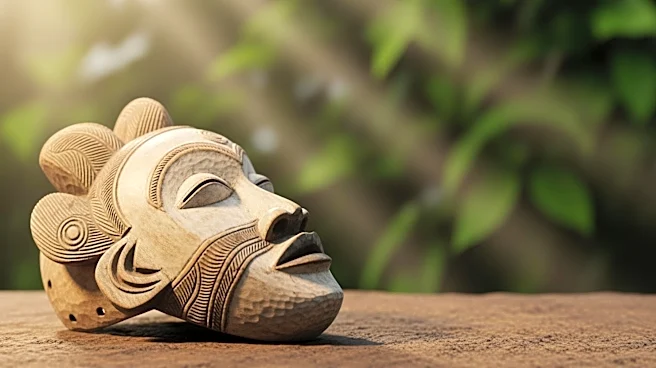
In Benin, the Voodoo religion has emerged as a significant cultural and democratic force, overcoming past suppression under military rule. The religion, known locally as Vodún, was once banned by former dictator Mathieu Kérékou, who viewed it as a threat
to his authority. However, after losing an election in 1991, Kérékou's successor, Nicéphore Soglo, rehabilitated Voodoo as part of the national heritage. This move marked a shift towards greater religious tolerance and democracy in Benin. Today, Voodoo is recognized as a vital part of Benin's cultural identity and has played a role in the country's democratic processes.
Why It's Important?
The recognition and integration of Voodoo into Benin's national identity highlight the importance of cultural and religious tolerance in fostering democracy. Voodoo's resilience against suppression demonstrates the power of cultural traditions in shaping political landscapes. This development underscores the potential for traditional beliefs to coexist with modern democratic values, offering a model for other nations with diverse cultural and religious backgrounds. The acceptance of Voodoo also reflects a broader trend of embracing indigenous practices as part of national identity, which can strengthen social cohesion and political stability.
What's Next?
As Benin continues to embrace its Voodoo heritage, the religion may play an increasingly prominent role in the country's cultural and political life. This could lead to further integration of traditional practices into national policies and governance. The success of Voodoo in Benin may inspire other countries in the region to reevaluate their own cultural and religious policies, potentially leading to greater acceptance and integration of indigenous beliefs. The ongoing dialogue between traditional and modern values will be crucial in shaping Benin's future as a democratic nation.
Beyond the Headlines
The story of Voodoo in Benin offers insights into the complex relationship between religion, culture, and politics. It highlights the potential for traditional beliefs to influence democratic processes and contribute to national identity. The resilience of Voodoo also raises questions about the role of spirituality in governance and the ways in which cultural heritage can be preserved and celebrated in a modern context. This case study may provide valuable lessons for other nations grappling with similar issues of cultural integration and religious tolerance.