







What's Happening?
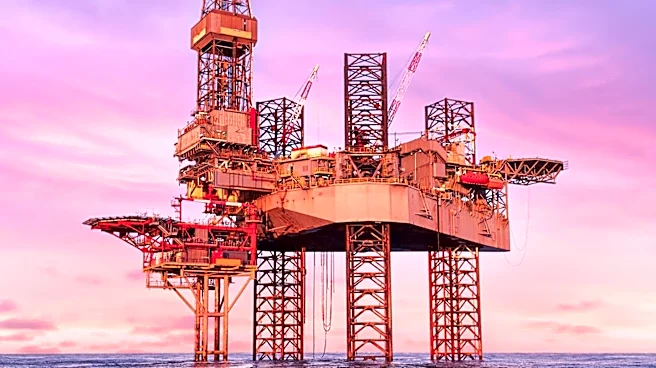
Shell has reported its second highest quarterly earnings on record, with net profits nearly doubling to almost $10 billion in the second quarter of 2026. This surge in profits is attributed to the energy market upheaval caused by the Middle East crisis,
which has driven up oil and gas prices. Shell's earnings come ahead of a planned meeting between the UK's new prime minister, Andy Burnham, and Shell's CEO, Wael Sawan, who is expected to discuss the development of North Sea projects. Environmental campaigners have renewed calls for a windfall tax on big oil companies to support households affected by rising energy costs.
Why It's Important?
Shell's significant profit increase highlights the ongoing volatility in global energy markets and the financial benefits reaped by major oil companies. The company's earnings have reignited debates over the ethical implications of profiting from fossil fuels amid climate crises. Calls for a windfall tax reflect growing public pressure to redistribute profits to support those most affected by rising energy costs and to invest in renewable energy. The situation underscores the tension between economic interests and environmental responsibilities, as well as the need for policy interventions to address these challenges.
What's Next?
The upcoming meeting between Shell's CEO and the UK prime minister may influence future energy policies, particularly regarding North Sea development and renewable energy investments. The outcome could impact Shell's strategic direction and the broader energy landscape in the UK. Additionally, the continued advocacy for a windfall tax suggests that public and political pressure on oil companies may intensify, potentially leading to regulatory changes. As the energy market remains volatile, stakeholders will need to navigate the complex interplay between economic gains and environmental sustainability.