








What's Happening?
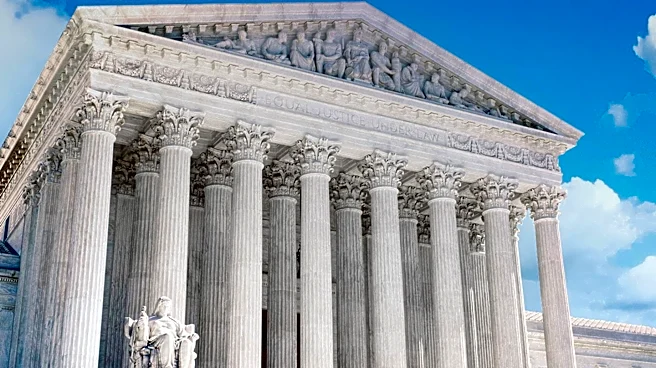
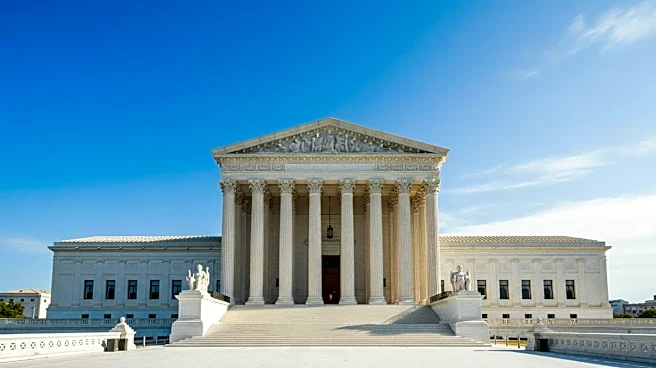
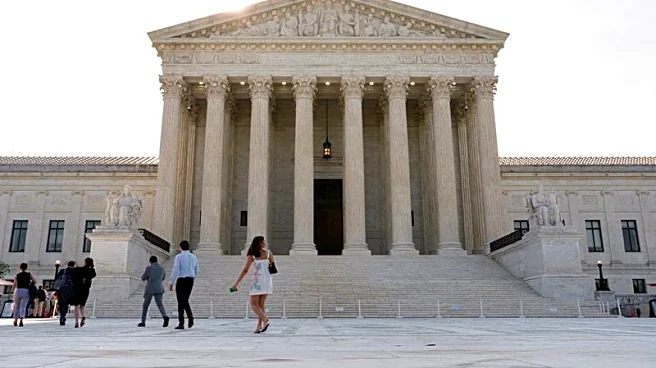
President Donald Trump has announced his intention to ask the Supreme Court to reconsider its recent decision against his executive order on birthright citizenship. The court's 6-3 ruling blocked Trump's 2025 order, which sought to prevent children of
unauthorized immigrants from automatically becoming U.S. citizens. Trump criticized the decision as a 'miscarriage of justice' and plans to file for a rehearing immediately. The Supreme Court's majority opinion, authored by Chief Justice John Roberts, affirmed that the 14th Amendment's citizenship clause applies to all individuals born in the U.S., regardless of their parents' immigration status. This ruling is a significant setback for Trump's immigration policy, which has focused on reducing unauthorized immigration and altering citizenship laws.
Why It's Important?
The Supreme Court's decision is a major blow to President Trump's immigration agenda, which has prioritized restricting immigration and altering the principles of citizenship. The ruling reinforces the constitutional protection of birthright citizenship, making it difficult for the administration to implement changes without a constitutional amendment. This decision has broader implications for immigration policy and the legal status of millions of individuals born in the U.S. The ruling also highlights the challenges of enacting significant immigration reforms in a politically divided environment, where constitutional amendments require broad bipartisan support.
What's Next?
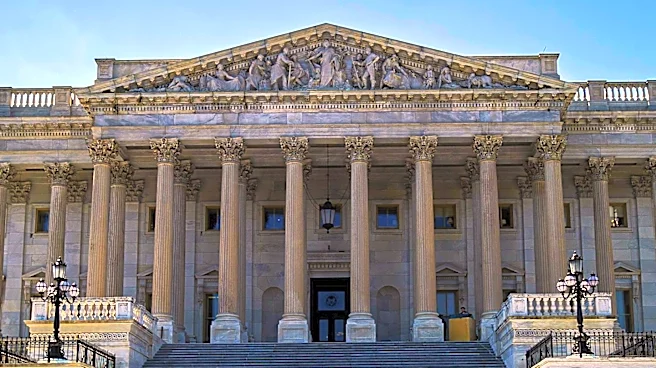
While President Trump plans to request a Supreme Court rehearing, such petitions are rarely granted, making the likelihood of a different outcome slim. Trump has also called on Congress to legislate against birthright citizenship, but this would likely require a constitutional amendment, a challenging prospect given the need for widespread political agreement. House Speaker Mike Johnson has indicated support for legislative action, but specifics remain undefined. The ongoing debate over birthright citizenship is expected to continue, with potential implications for future immigration policy and legislative efforts.