






What's Happening?
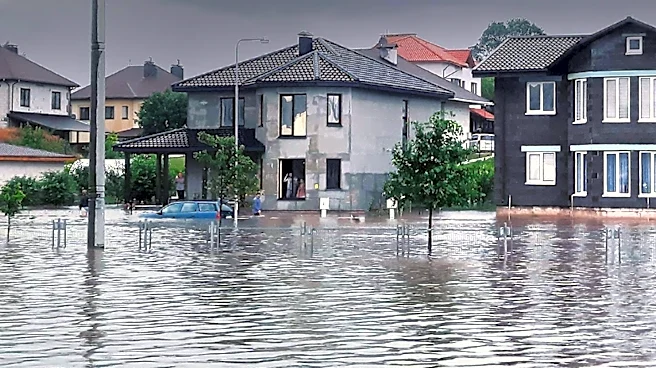
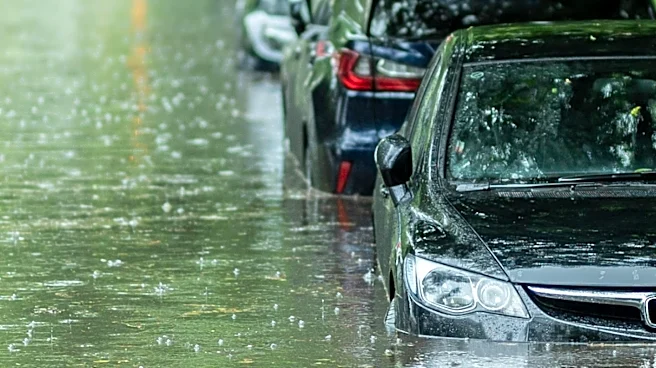
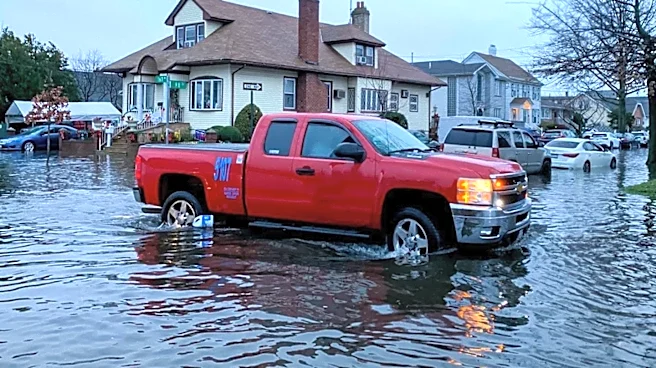
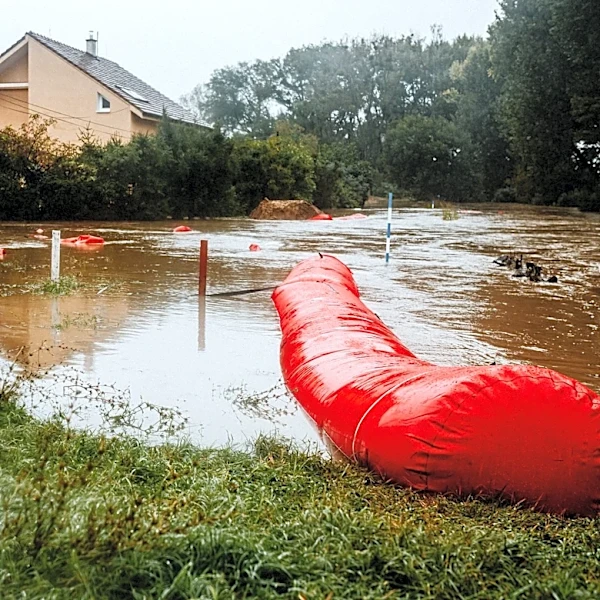
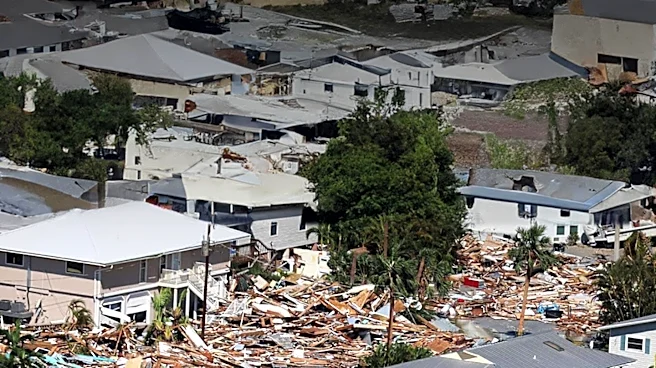
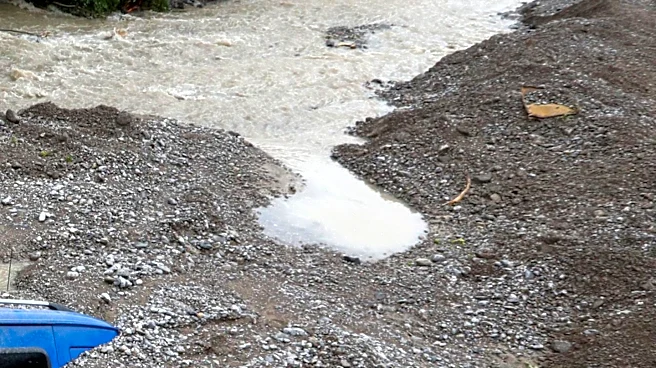
New Jersey experienced severe weather conditions on Thursday, leading to significant flash flooding across various parts of the state. The heavy rain resulted in floodwaters overtaking roads, creating hazardous travel conditions. Additionally, lightning
strikes were reported, with one incident involving a lightning strike on a home. This marks the second time in a week that New Jersey has faced such intense weather, raising concerns about the frequency and impact of these storms. The situation has prompted emergency responses to manage the flooding and address any damage caused by the storms.
Why It's Important?
The recurring severe weather events in New Jersey highlight the increasing challenges posed by climate-related phenomena. The flash flooding not only disrupts daily life but also poses significant risks to infrastructure, property, and public safety. The frequency of such events may indicate broader climate trends, necessitating a reevaluation of emergency preparedness and infrastructure resilience in the region. Residents and local authorities are urged to remain vigilant and adapt to these changing weather patterns to mitigate potential damages and ensure community safety.
What's Next?
In response to the recent weather events, local authorities are likely to assess the damage and implement measures to prevent future incidents. This may include infrastructure improvements, enhanced drainage systems, and updated emergency response protocols. Additionally, there may be increased advocacy for climate action and sustainable practices to address the root causes of such extreme weather patterns. Community engagement and education on emergency preparedness will be crucial in adapting to these challenges.