






What's Happening?
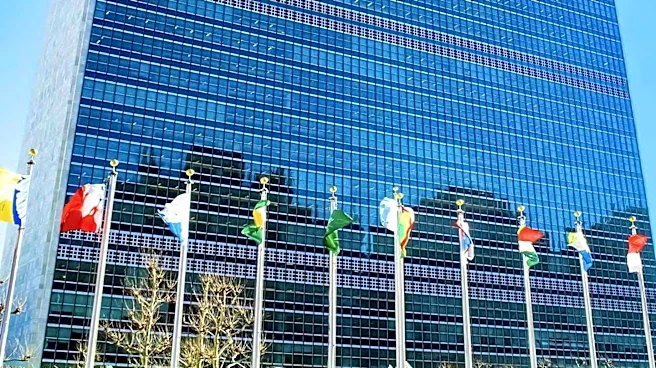
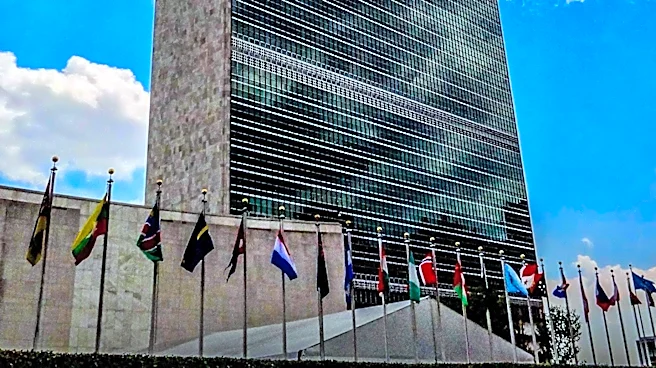
The United Nations is currently facing a period of significant irrelevance, struggling to address a multiplication of global conflicts and dangerous pathologies. The institution, originally founded on principles of deliberation, negotiation, and diplomacy,
is being undermined by a return to war over dialogue, calculated recklessness, and a rise in militias and mercenaries. The permanent members of the Security Council, still reflecting the victors of World War II, are grappling with ancient quarrels exacerbated by new, lethal weapons. Civil wars, border disputes, and imperial ambitions are driving conflicts in Ukraine, the Horn of Africa, the Gulf, the Red Sea, and Taiwan. These conflicts are escalating at a time when global regulatory arrangements for existential threats like weapons of mass destruction, pandemics, and climate change are being denigrated. The integration of artificial intelligence into military planning further compresses decision-making time and amplifies tools of deception, posing new challenges to global stability.
Why It's Important?
The current state of the United Nations has profound implications for global stability and the ability to manage international crises. Its diminished role means that critical conversations about war and technology may not occur in a protected forum, increasing the risk of uncontrolled escalation. The rise of isolationism and the disregard for collective security mechanisms leave the world vulnerable to multiplying centers of violence. The failure of great powers to effectively utilize the UN as a problem-solver rather than a talking shop could lead to a more chaotic and dangerous international landscape. This situation affects all nations, as global threats like climate change and pandemics require coordinated international responses that a weakened UN is less equipped to facilitate. The lack of a credible forum for adversaries to meet and negotiate risks further entrenching conflicts and hindering peaceful resolutions.
What's Next?
To regain its relevance, the United Nations requires concerted backing from the great powers, particularly the United States, China, and Russia. The upcoming selection of a new Secretary-General presents a crucial opportunity for these powers to agree on a qualified leader and a timely agenda. This moment demands a rededication to principled pragmatism, recognizing a shared interest in maintaining a manageable world, even amidst distrust. While middle powers are actively trying to respond to global challenges, their capacity to end major wars or govern advanced technologies is limited. The focus must shift towards making the UN a credible forum for collective action and problem-solving, rather than a passive bystander. This renewed commitment from leading nations is essential to address the escalating conflicts and existential threats facing humanity.
Beyond the Headlines
The current crisis of the United Nations highlights a deeper shift in international relations, where the foundational principles of multilateralism are being tested by resurgent nationalism and power politics. The assumption that the UN is a club of like-minded states is a misconception; its true purpose is to provide a platform for adversaries to meet and coexist. The challenge lies in reconciling the uneven distribution of power among states with the need for collective action on global issues. The historical precedent of containing nuclear proliferation through negotiation offers a model for addressing contemporary threats like AI in warfare. The long-term implication is whether the international community can adapt its institutions to a rapidly changing technological and geopolitical landscape, or if it will succumb to a fragmented world order where conflicts proliferate unchecked. The ethical dimension involves the responsibility of powerful nations to uphold international norms and prevent widespread suffering.