





What's Happening?
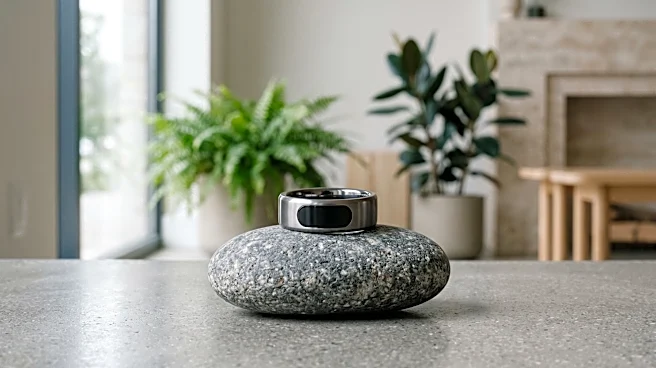
A user conducting a fitness tracker comparison review discovered a potentially life-threatening condition thanks to alerts from their Oura Ring. The individual had been feeling unwell with general lethargy, mild shortness of breath, and calf pain, initially
dismissing these symptoms. However, their Whoop and Oura Ring devices began to show elevated resting heart rate and increased breaths per minute during sleep. The Oura app specifically issued a stark warning: “Your biometrics show major signs of something straining your body,” with all health metrics significantly higher than usual. This direct message prompted the user to seek immediate medical attention, leading to a diagnosis of deep-vein thrombosis (DVT) and pulmonary embolism (PE), a condition where blood clots travel to the lungs. Doctors confirmed that delaying medical intervention further would have made the situation life-threatening. The user was subsequently diagnosed with a blood mutation that increases the risk of clots.
Why It's Important?
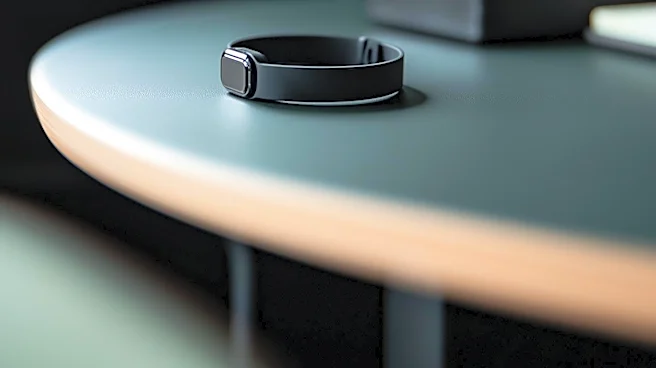
This incident highlights the growing potential of wearable fitness technology to serve as early warning systems for serious health issues, even though they are not designed as medical devices. While fitness trackers are primarily used for monitoring activity, sleep, and general wellness, their ability to track subtle changes in biometric data can provide crucial alerts that prompt individuals to seek professional medical advice. This can be particularly impactful for conditions like DVT and PE, which can be fatal if not treated promptly. The case underscores the value of continuous biometric monitoring in identifying deviations from an individual's baseline health, potentially leading to earlier diagnosis and intervention for various conditions. It also raises questions about the future role of such devices in preventive healthcare and personal health management.
What's Next?
The increasing sophistication of fitness trackers suggests a future where these devices could play a more integrated role in personal health monitoring, potentially leading to earlier detection of a wider range of health conditions. As technology advances, these devices may offer more precise and comprehensive biometric data, further enhancing their ability to flag potential health concerns. This could lead to greater collaboration between wearable tech companies and healthcare providers, possibly integrating anonymized data into broader health analytics or developing more targeted alert systems. However, it also necessitates ongoing discussions about data privacy, accuracy of readings, and the ethical implications of relying on consumer-grade devices for health insights. Users will likely continue to leverage these tools for personal awareness, but medical professionals will remain the primary authority for diagnosis and treatment.
Beyond the Headlines
This event touches upon the evolving relationship between personal technology and healthcare, blurring the lines between wellness tracking and medical diagnostics. While fitness trackers are not regulated as medical devices, their capacity to detect significant physiological changes raises ethical considerations regarding their use and interpretation. There's a fine line between empowering individuals with health data and potentially causing undue alarm or misinterpretation without professional medical context. The incident also highlights the importance of user education on the limitations and capabilities of these devices, emphasizing that they are supplementary tools, not replacements for regular medical check-ups. As these technologies become more prevalent, discussions around data security, user consent, and the responsibility of manufacturers in communicating device limitations will become increasingly critical.