







What's Happening?
The International Trade Centre (ITC), a joint agency of the World Trade Organization and the United Nations, is seeking a National Project Coordinator for its Ethical Fashion Initiative (EFI) in Maseru, Lesotho. This role is part of the Wool and Mohair
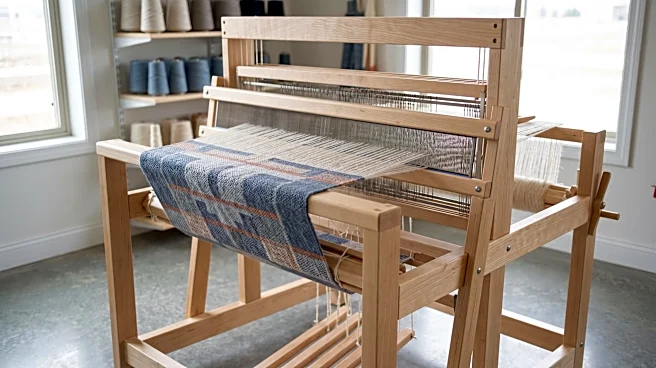
Value Chain Competitiveness Project (WaMCoP), led by the Ministry of Agriculture, Food Security and Nutrition. The project aims to enhance the climate resilience and market beneficiation of the wool and mohair sub-sector, with a specific focus on small producers and value chain enterprises. The EFI component, which the coordinator will manage, focuses on business development and cottage industry, promoting international-market linked cottage industries. The coordinator will be responsible for developing new areas in hand spinning, handloom weaving, hand knitting, and other artisanal skills, providing tailored technical advice, training, and building market linkages. The position requires a minimum of five years of progressively responsible experience in project or program management, with a preference for experience in coordinating technical assistance and business support programs, especially with disadvantaged communities and artisan communities. The contract is for one year with a possibility of extension, and the application deadline is October 21, 2026.
Why It's Important?
This initiative is important as it directly supports the ITC's mission to foster inclusive and sustainable economic development by integrating small and medium-sized enterprises (SMEs) from developing and transition economies into the global market. By focusing on the wool and mohair value chain in Lesotho, the project aims to create sustainable livelihoods and increase income opportunities for vulnerable communities, including women and youth. The development of artisanal skills and market linkages can significantly boost local economies, reduce poverty, and contribute to the United Nations Global Goals for Sustainable Development. Strengthening these value chains also promotes ethical and sustainable trade practices, which are increasingly valued by global consumers and can open new market opportunities for producers in Lesotho. The project's emphasis on climate resilience also addresses critical environmental concerns, ensuring long-term sustainability for the sector.
What's Next?
The selected National Project Coordinator will be tasked with the immediate coordination, implementation, and evaluation of the EFI component of the WaMCoP project. This will involve monitoring project development, identifying and addressing issues, and liaising with relevant parties. Key activities will include planning and facilitating workshops, conducting research and analysis, and preparing various written outputs such as background papers and reports. The coordinator will also be responsible for outreach activities, training workshops, and making presentations on assigned topics. Furthermore, they will identify and coordinate with UN agencies, institutional partners, business support organizations, and private sector entities relevant to the project's implementation. The role also includes managing budget and funding-related activities, such as project preparation, progress reports, and financial statements, and establishing and maintaining institutional relations and partnerships within Lesotho and the region.
Beyond the Headlines
Beyond the immediate economic benefits, this project has deeper implications for cultural preservation and social empowerment. By focusing on traditional artisanal skills like hand spinning, handloom weaving, and hand knitting, the initiative helps preserve cultural heritage and traditional craftsmanship that might otherwise be lost. This not only adds unique value to the products but also instills a sense of pride and identity within the communities. The emphasis on empowering disadvantaged communities, particularly women and youth, through skill development and market access, can lead to significant social transformation, fostering greater gender equality and reducing social inequalities. The project also highlights the growing global trend towards ethical consumption and sustainable supply chains, positioning Lesotho's wool and mohair products favorably in international markets and encouraging responsible production practices.