



What's Happening?
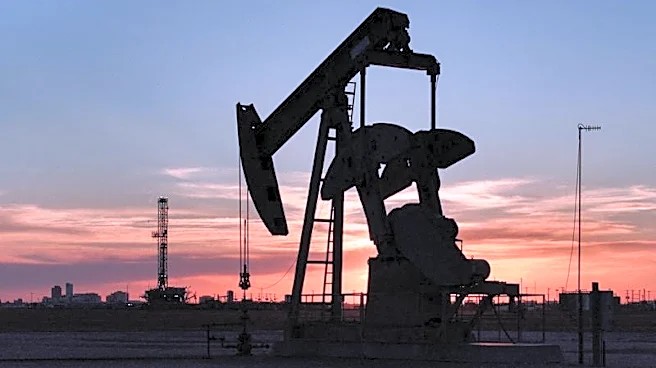
The European car industry's recent proposal, as analyzed by Transport & Environment (T&E), could lead to an additional €74 billion in oil imports for the EU between 2026 and 2035. This proposal, put forth by the European Automobile Manufacturers Association
(ACEA), suggests weakening the current EU car CO2 targets. The ACEA's demands include averaging carmakers' 2030 CO2 targets over five years instead of three, and canceling the utility factor for plug-in hybrid vehicles (PHEVs). This could delay the transition to more affordable electric vehicles (EVs) and increase reliance on oil, as the proposal would allow for fewer battery electric vehicles (BEVs) and more polluting combustion engines. The German government has already adopted ACEA's position, which could further slow the EU's shift to electric cars.
Why It's Important?
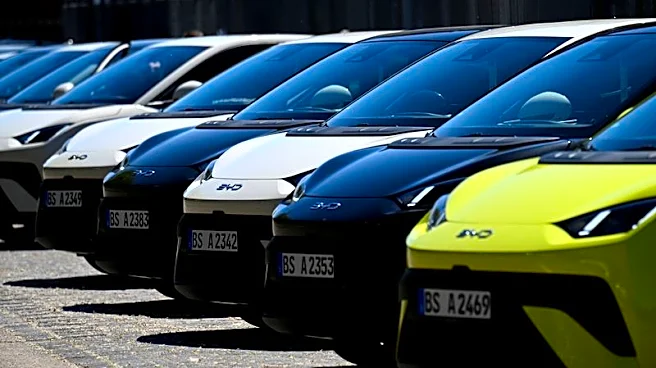
The proposal's acceptance could significantly impact the EU's environmental goals and economic landscape. By potentially increasing oil imports and CO2 emissions, the proposal threatens to undermine efforts to reduce the EU's carbon footprint and transition to sustainable energy sources. This move could also affect the competitiveness of the European car industry, as it may lag behind other regions, like China, in the shift to electric vehicles. Additionally, the delay in providing more affordable EVs could affect consumers, who are already facing high petrol prices. The proposal's impact on the EU's oil dependency and environmental targets highlights the tension between industry interests and climate commitments.
What's Next?
The proposal is currently under debate by the European Parliament and EU governments. If accepted, it could lead to a stagnation in BEV sales, maintaining their current market share instead of increasing to the levels required by existing regulations. The EU Commission's proposal to weaken the 2035 carmakers' CO2 target is also under consideration, which could further affect the transition to electric vehicles. Stakeholders, including environmental groups and policymakers, are likely to continue advocating for maintaining or strengthening current targets to ensure the EU meets its climate goals.