

What's Happening?
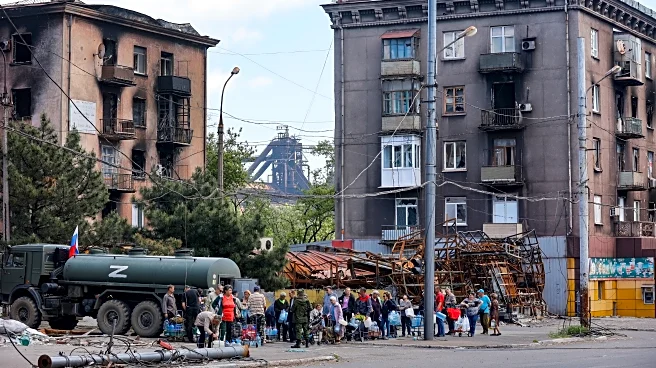
Ukrainian forces have successfully held defensive lines and pushed back Russian advances in southern Ukraine, liberating 300 square kilometers of territory. This progress follows the recent SpaceX block on Russian forces' usage of Starlink terminals.
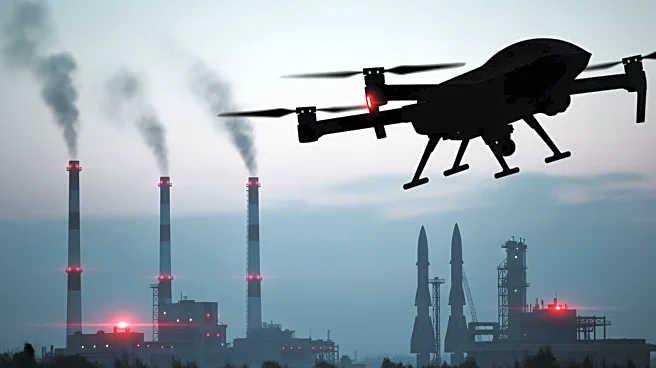
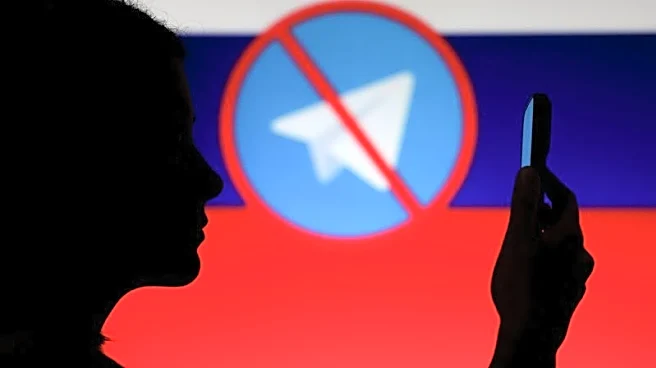
Meanwhile, the Kremlin is intensifying efforts to restrict internet usage, including plans to block Telegram, a popular messaging app. Russian President Vladimir Putin signed a law allowing the Federal Security Service (FSB) to disconnect communications without explanation, further tightening state control over the information space. Ukrainian forces continue their long-range strike campaign against Russian defense industrial and energy assets, using Ukrainian-produced FP-5 Flamingo cruise missiles.
Why It's Important?
The Ukrainian military's advances are significant in the ongoing conflict, demonstrating resilience and strategic capability. The liberation of territory in southern Ukraine is a morale boost and a tactical advantage. On the other hand, Russia's intensified internet restrictions reflect efforts to control the narrative and suppress dissent. Blocking Telegram could disrupt communication among Russian citizens and military personnel, affecting operational security. These developments highlight the broader implications of information warfare and the role of technology in modern conflicts. The international community's response to these actions may influence diplomatic relations and support for Ukraine.
What's Next?
As Ukrainian forces continue their offensive, further territorial gains could shift the balance of power in the conflict. Russia's internet restrictions may lead to increased use of VPNs and alternative communication methods, challenging state control. The Kremlin's actions could provoke domestic unrest and international condemnation, potentially affecting Russia's geopolitical standing. Continued support from Western allies, including technological and military aid, will be crucial for Ukraine's ongoing efforts. The situation remains fluid, with potential escalations in both military operations and information control.
Beyond the Headlines
The conflict in Ukraine underscores the importance of information security and the impact of digital platforms in warfare. Russia's attempts to control internet access highlight the challenges of maintaining open communication in authoritarian regimes. The use of technology, such as Starlink and FP-5 Flamingo missiles, illustrates the evolving nature of military strategy. These developments raise ethical questions about the role of private companies in conflicts and the balance between national security and individual freedoms. The situation in Ukraine serves as a case study for future conflicts involving cyber warfare and information control.