







What's Happening?
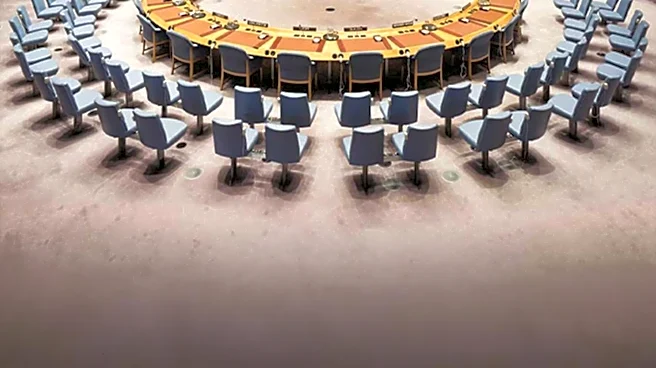
The 33rd meeting of the Third Committee at the 81st session of the UN General Assembly convened to continue its consideration of agenda item 70, focusing on the Promotion and Protection of Human Rights. The committee held a combined briefing on the environmental
cluster, featuring presentations from the Special Rapporteur on the human right to a clean, healthy, and sustainable environment, Ms. Astrid Puentes Liano, and other experts. Discussions highlighted the complexities of carbon markets, the need for transparency, and the importance of independent scientific evidence in policy-making. The Special Rapporteur on carbon markets emphasized the distinction between international obligations for climate finance and technology collaboration and the rules governing carbon markets, noting that these lines often blur in negotiations. The meeting also addressed the role of economic actors, including those in fossil fuels, petrochemicals, agriculture, and technology, in contributing to the climate crisis and toxic pollution.
Why It's Important?
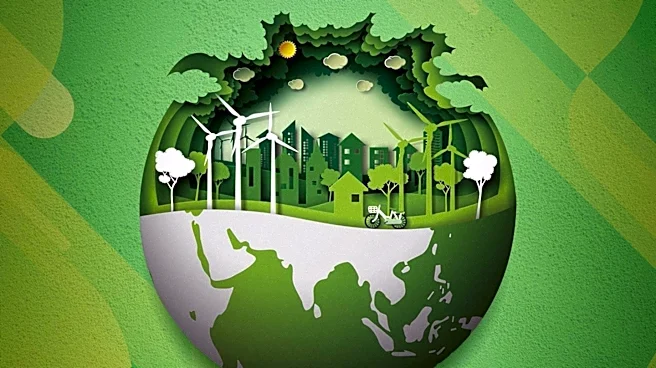
This discussion is important as it underscores the global effort to integrate human rights considerations into climate action and environmental policy. The emphasis on the right to a clean, healthy, and sustainable environment, alongside the scrutiny of carbon markets, reflects a growing international recognition of the interconnectedness of environmental degradation and human well-being. The call for independent scientific evidence and the critique of vested economic interests highlight challenges in achieving effective climate mitigation and equitable solutions. For the U.S., these discussions can influence international agreements and domestic policy debates regarding climate change, human rights, and economic development. The focus on root causes and systemic issues in carbon markets could lead to new frameworks for international cooperation and accountability, potentially impacting U.S. businesses and its approach to climate finance and technology transfer.
What's Next?
The Third Committee will continue its consideration of agenda item 70, including further interactive dialogues with special procedures mandate holders and experts. The deadline for submitting draft proposals under this item is Tuesday, November 3rd, at 1 PM. The Special Rapporteur on carbon markets has offered support for the second conference on transitioning away from fossil fuels, co-organized by Ireland and Tuvalu, and COP31. These upcoming events will likely build upon the discussions regarding holistic understandings of vested interests and the need to move beyond viewing human rights merely as safeguards, instead centering them in the analysis of climate solutions. The ongoing work of the Intergovernmental Negotiating Committee, aiming to develop an effective treaty by March 2027, also presents a future opportunity to address human rights in the context of plastic pollution.
Beyond the Headlines
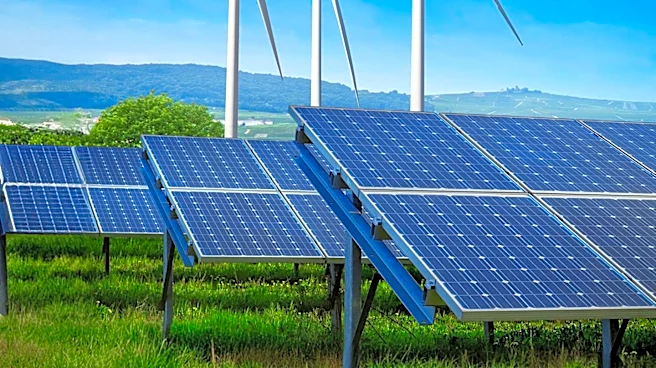
The discussions delve into the deeper implications of economic models that are entangled with fossil fuel dependence and the need to shift towards localized, sustainable development. The report by the Special Rapporteur on carbon markets challenges the underlying economic model and advocates for small-scale renewable development, community-led wind and solar power, and support for agroecology. This perspective suggests a fundamental rethinking of how economies are structured, moving away from mega-projects towards models that prioritize planetary and human health. The connection between carbon credits and land accumulation, leading to unprecedented land concentration in the hands of a few, raises ethical and social justice concerns regarding global food security and resilience. This highlights the need for international cooperation to be alert to actions that may inadvertently hinder the rethinking of economic models aligned with human rights and scientific evidence.