






What's Happening?
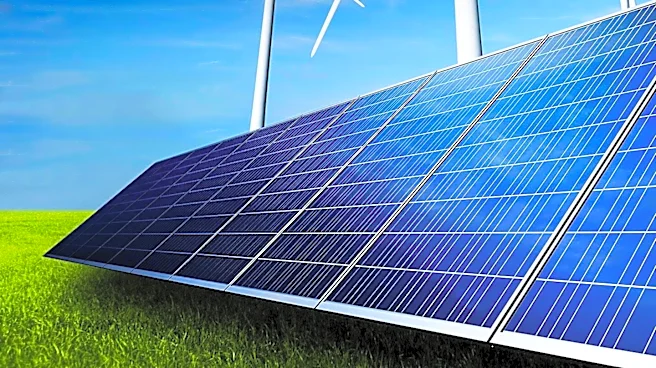
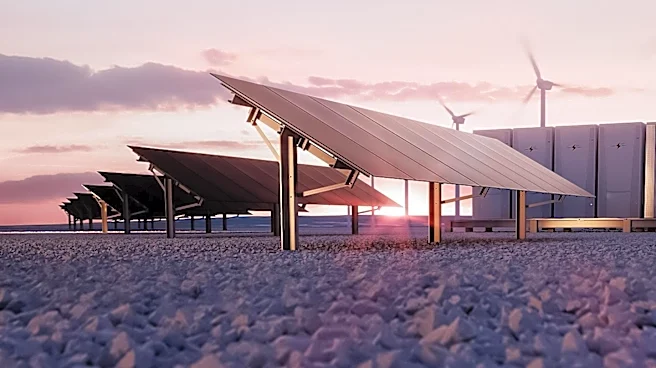
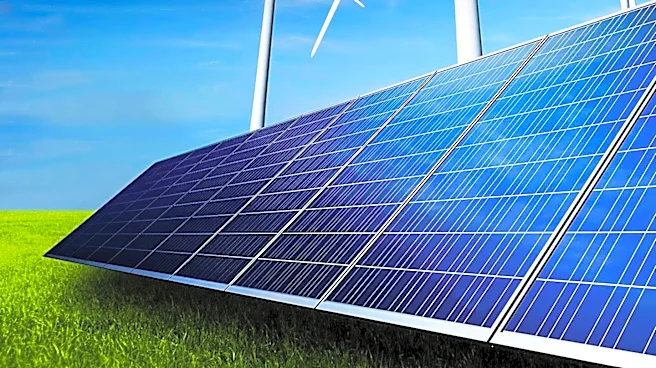
India's renewable energy sector is experiencing rapid expansion, driven by ambitious climate targets and supportive policy initiatives. As of November 12, 2026, India's installed renewable energy capacity reached 312.24 gigawatts (GW), accounting for
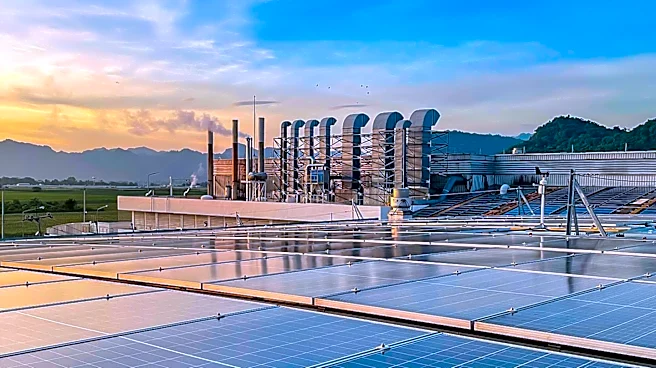
55% of the country's total installed capacity. The nation aims to achieve 500 GW of installed capacity from non-fossil sources by 2030 and reduce its emission intensity to 47% below 2005 levels by 2035. Key policy initiatives include renewable consumption obligations, grid integration and transmission network development, and a growing emphasis on Battery Energy Storage Systems (BESS) to address the intermittent nature of renewable energy. The Electricity (Promoting Renewable Energy Through Green Energy Open Access) Rules, 2022, facilitate access to green energy for consumers with a contracted demand of at least 100 kilowatts, capping cross-subsidy surcharges and waiving additional surcharges for offshore wind projects commissioned by December 2032. The government has also introduced measures to accelerate BESS deployment, including guidelines for pumped storage projects, a National Framework for Promoting Energy Storage Systems, and viability gap funding schemes.
Why It's Important?
India's aggressive push towards renewable energy and its focus on BESS are critical for achieving its climate commitments and ensuring energy security. The substantial increase in renewable capacity positions India as a significant player in the global energy transition. The policy framework, particularly the Green Energy Open Access Rules, aims to democratize access to green energy, allowing commercial and industrial consumers to optimize electricity costs and meet sustainability targets. The emphasis on BESS is crucial for grid stability and reliability, mitigating the challenges posed by the intermittent nature of solar and wind power. This integrated approach, combining generation with storage, is vital for a successful transition to a high-renewable energy grid. The waiver of inter-State transmission charges for certain hydro pumped storage projects and BESS further incentivizes investment in these critical infrastructure components, fostering a more resilient and sustainable energy ecosystem.
What's Next?
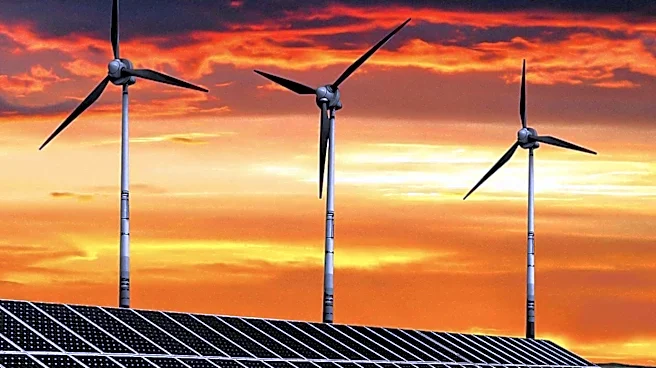
India is expected to continue its rapid deployment of renewable energy projects, with a strong focus on integrating BESS and hybrid renewable energy projects (solar and wind). The government will likely further refine its regulatory framework to support these technologies, addressing challenges such as transmission infrastructure development, land acquisition, and financing arrangements. The phased withdrawal of inter-State transmission charge waivers for some renewable energy projects suggests a move towards a more market-driven approach as the sector matures. Developers and commercial consumers will increasingly explore open access and captive power arrangements to procure renewable energy. As storage technologies advance and the regulatory environment evolves, hybrid projects and BESS are anticipated to play an even more critical role in India's energy transition, ensuring uninterrupted power supply and reducing reliance on conventional energy sources.
Beyond the Headlines
India's energy transition strategy has broader implications for global climate action and energy markets. By demonstrating a scalable model for integrating high levels of renewable energy with advanced storage solutions, India can provide valuable lessons for other developing nations. The focus on domestic manufacturing and supply-chain development through production-linked incentive schemes also highlights a strategic effort to build a self-reliant renewable energy industry, reducing dependence on foreign imports. This could foster significant economic growth and job creation within the country. However, challenges such as the commercial viability of domestic sourcing requirements and delays in project approvals remain critical hurdles. The success of India's energy transition will depend not only on policy implementation but also on overcoming these practical obstacles, setting a precedent for how large, rapidly developing economies can balance energy demand with environmental sustainability.