





What's Happening?
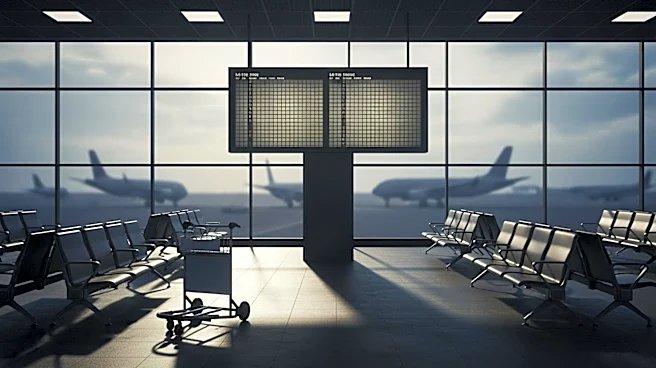
The ongoing conflict in Iran is significantly impacting summer travel plans, with travelers opting for closer destinations and alternative modes of transportation due to rising costs and potential cancellations. The war has led to increased jet fuel prices,
affecting airline profitability and causing travelers to reconsider their plans. Many are choosing short-haul trips within Europe, utilizing trains instead of flights to manage costs. The conflict has also led to a shift in travel patterns, with a preference for domestic and 'safe-haven' destinations like Spain and the Caribbean. The tourism and aviation sectors are among the most affected, with airlines warning of profit pressures and travelers delaying bookings.
Why It's Important?
The Iran conflict's impact on travel highlights the broader economic and social repercussions of geopolitical tensions. The rise in travel costs and changes in consumer behavior affect the tourism industry, a significant economic driver in many regions. Airlines face financial challenges due to increased fuel costs, potentially leading to reduced services and higher fares. The shift towards domestic travel and alternative transportation modes like rail could lead to long-term changes in travel habits. Additionally, the uncertainty surrounding the conflict underscores the need for flexible travel planning and the potential for further disruptions in global travel patterns.