







What's Happening?
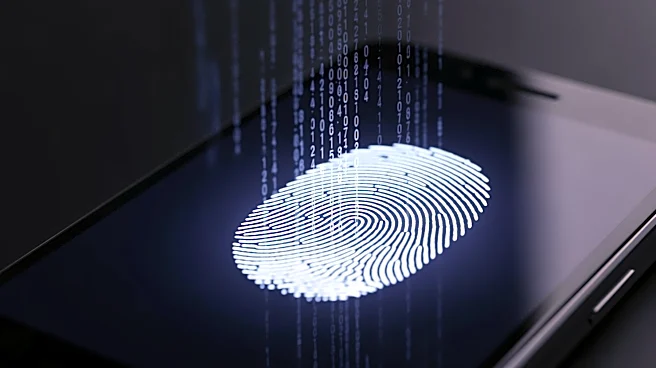
Concerns are mounting over a potential cybersecurity threat where hackers could use artificial intelligence to extract fingerprints from selfies, particularly those featuring peace signs. This alarm was initially raised by a Chinese television segment,
which demonstrated how photo-editing software and AI tools could make fingerprint ridges visible in images. Financial expert Li Chang highlighted the risk of identity theft and unauthorized access to personal accounts through this method. While some experts, like Bryan Lopez from Microsoft, acknowledge the threat as real and growing, others, such as Vyas Sekar from Carnegie Mellon University, consider it improbable for the average person. The FBI reports a significant rise in cyber scams, with $16 billion stolen from Americans in 2024, emphasizing the vulnerability of elderly individuals.
Why It's Important?
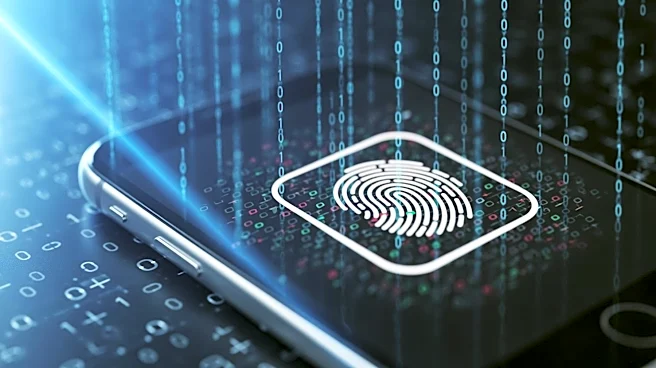
The potential for AI to be used in extracting biometric data from images underscores a growing cybersecurity challenge. As digital fraud increases, with phishing and spoofing being the most common scams, the ability to replicate fingerprints from social media images could exacerbate identity theft issues. This development highlights the need for enhanced security measures, such as multi-factor authentication and stricter privacy settings on social media platforms. The implications are significant for individuals and institutions alike, as biometric data, unlike passwords, cannot be easily changed, posing a long-term security risk.
What's Next?
To mitigate the risk of such scams, experts recommend avoiding the posting of high-resolution images that clearly show fingerprints. Additionally, implementing multi-factor authentication can provide an extra layer of security. Social media users are advised to review and tighten their privacy settings to limit access to personal photos. Monitoring financial accounts for suspicious activity and reporting any anomalies promptly is also crucial. As technology evolves, ongoing vigilance and adaptation of security practices will be necessary to protect against emerging threats.