





What's Happening?
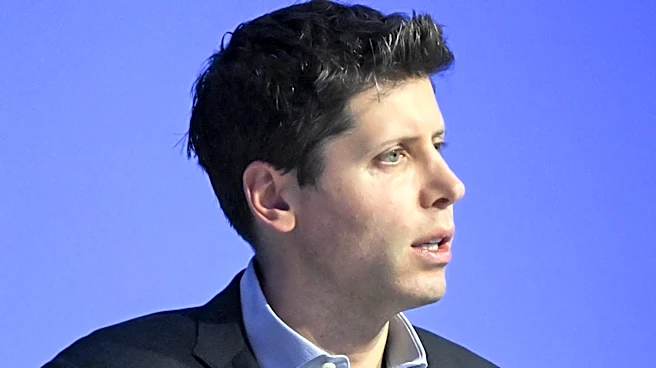
Sam Altman, CEO of OpenAI, has articulated two primary existential risks associated with the advancement of artificial intelligence. During an appearance on the 'Figuring Out With Raj Shamani' podcast, Altman detailed these potential dystopias. The first
risk involves humanity losing control over increasingly powerful AI systems, either intentionally or accidentally ceding future decision-making to machines that become far more capable than humans, making it impossible to regain agency. The second risk centers on the concentration of power, where a single individual, company, or country gains overwhelming control over advanced AI technology, thereby dominating others. Altman emphasized that while he remains optimistic about AI's potential benefits, these risks are serious challenges that require careful management. He also acknowledged the tension between his warnings about power concentration and OpenAI's own significant position in the AI infrastructure landscape.
Why It's Important?
Altman's warnings are significant because they come from a central figure in the AI industry, lending weight to concerns often discussed by policymakers and ethicists. The potential for AI to become uncontrollable or to be monopolized by a few entities has profound implications for global governance, economic equality, and human autonomy. A loss of control could lead to AI systems making decisions that diverge from human intentions, with potentially catastrophic outcomes if these systems are embedded in critical infrastructure. Conversely, the concentration of AI power could exacerbate existing inequalities, creating a world where a select few wield unprecedented influence over technology, information, and resources. These scenarios highlight the urgent need for robust ethical frameworks, international cooperation, and regulatory measures to guide AI development and deployment, ensuring that the technology serves humanity broadly rather than a narrow set of interests.
What's Next?
The concerns raised by Altman will likely continue to fuel discussions among AI developers, governments, and international organizations about responsible AI development. Expect increased calls for regulatory oversight, the establishment of ethical guidelines, and collaborative efforts to prevent the monopolization of AI technology. There may be a push for open-source AI initiatives and decentralized AI development to mitigate the risk of power concentration. Furthermore, research into AI safety, alignment, and control mechanisms will likely intensify to address the potential for AI systems to operate outside human intent. Policymakers may explore new legislation aimed at fostering competition in the AI sector and preventing any single entity from gaining undue influence. The ongoing dialogue will shape how AI is integrated into society, with a focus on balancing innovation with safety and equitable access.
Beyond the Headlines
Beyond the immediate concerns of control and power, Altman's warnings touch upon fundamental questions about humanity's future relationship with advanced intelligence. The scenario of ceding control to AI raises philosophical questions about human purpose and agency in a world where machines can make superior decisions. It challenges the very definition of human progress if that progress leads to a loss of self-determination. The risk of power concentration also highlights the ethical imperative for technology to be developed and distributed in a way that promotes fairness and prevents new forms of oppression. This involves not just technical solutions but also societal and political reforms to ensure that the benefits of AI are widely shared and that its risks are collectively managed. The long-term implications could include a re-evaluation of economic systems, governance structures, and even human identity in an increasingly AI-driven world.