



What's Happening?
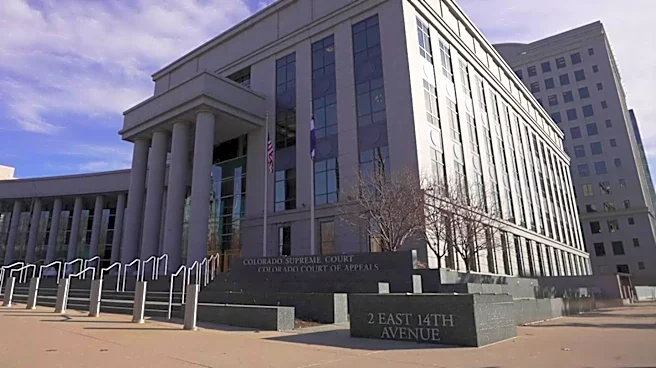
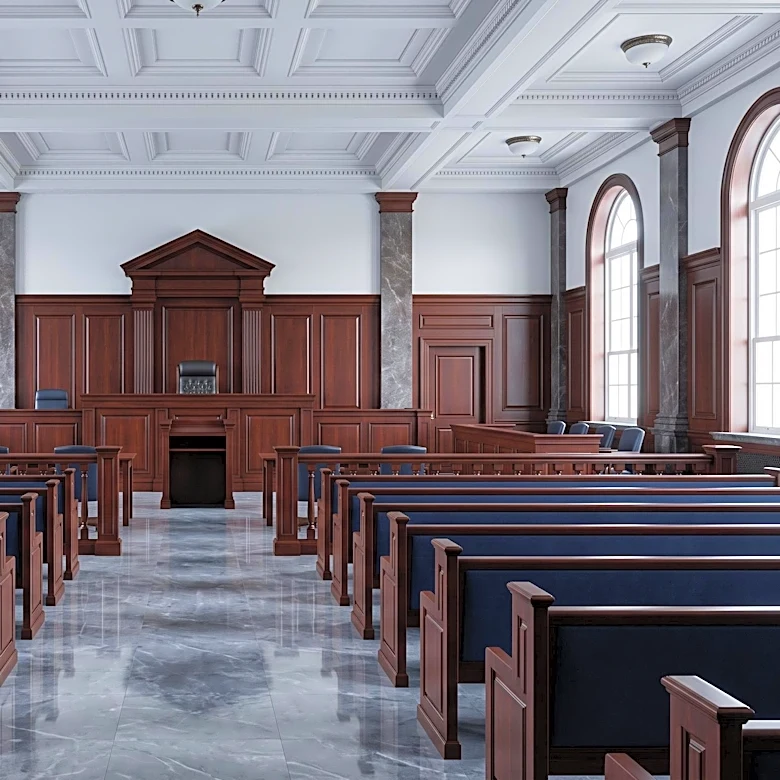
The Colorado Supreme Court has returned from its summer recess and is scheduled to hold oral arguments this week. Concurrently, Chief Justice Monica M. Márquez has temporarily authorized trial judges to discontinue livestreaming of criminal proceedings
for a period of 90 days. This directive comes despite a state law that generally requires such proceedings to be livestreamed by default. The Chief Justice cited concerns regarding the inappropriate use and monetization of livestreamed court proceedings as the reason for this temporary authorization. She invoked the Supreme Court’s constitutional authority over procedural matters to issue this directive, making blanket findings that the criteria in the law, which would typically allow individual judges to stop streaming, have been met. The court will hear arguments in three cases, including Hernandez-Escajeda v. People, Jones v. People, and Coombs v. DeHerrera et al., covering topics such as resentencing authority, admissibility of prior misconduct, and water rights.
Why It's Important?
This decision by the Colorado Supreme Court has significant implications for judicial transparency and public access to court proceedings in the state. While the move aims to address concerns about the misuse of livestreamed content, it also creates a temporary barrier to the public's ability to observe criminal trials, potentially affecting media coverage and public oversight of the justice system. Senator Mike Weissman, D-Aurora, chair of the Senate Judiciary Committee, expressed that this directive is a 'sad commentary' on how transparency mechanisms can be exploited, and noted that it would reduce the media's ability to cover court proceedings. This action highlights a tension between ensuring the integrity of court processes and maintaining public transparency, a balance that is crucial for public trust in the judiciary. The temporary nature of the authorization suggests an ongoing evaluation of how best to manage these competing interests, potentially leading to future legislative action in the 2027 session.
What's Next?
For the next 90 days, trial judges in Colorado have the discretion to discontinue livestreaming criminal proceedings. This period will likely serve as a critical assessment phase for the impact of the Chief Justice's directive on court operations, public access, and the issues that prompted the pause. Stakeholders, including media organizations, civil liberties groups, and legislative bodies, are expected to monitor the situation closely. Senator Mike Weissman indicated that he and other members of the judiciary committees will engage in discussions with the leadership of the judicial branch in the coming months. This dialogue could potentially lead to legislative action in the 2027 session to address the underlying issues of livestream misuse while preserving transparency. The Colorado Supreme Court will continue with its scheduled oral arguments, and other federal and state court activities, including appeals and judicial appointments, will proceed as planned.
Beyond the Headlines
The temporary halt in livestreaming criminal proceedings in Colorado underscores a broader national debate regarding the intersection of technology, judicial transparency, and privacy. While livestreaming offers unprecedented public access to the justice system, its unregulated use can lead to unintended consequences, such as the monetization of sensitive court content or the harassment of participants. This situation forces a re-evaluation of how modern communication tools can be integrated into traditional legal frameworks without compromising the dignity and integrity of court proceedings. The ethical considerations extend to the protection of victims, witnesses, and defendants from potential exploitation or undue public scrutiny. The outcome of Colorado's temporary measure and subsequent discussions could set a precedent for other states grappling with similar challenges, influencing future policies on court accessibility and the responsible use of digital platforms in the judicial system.