
What's Happening?
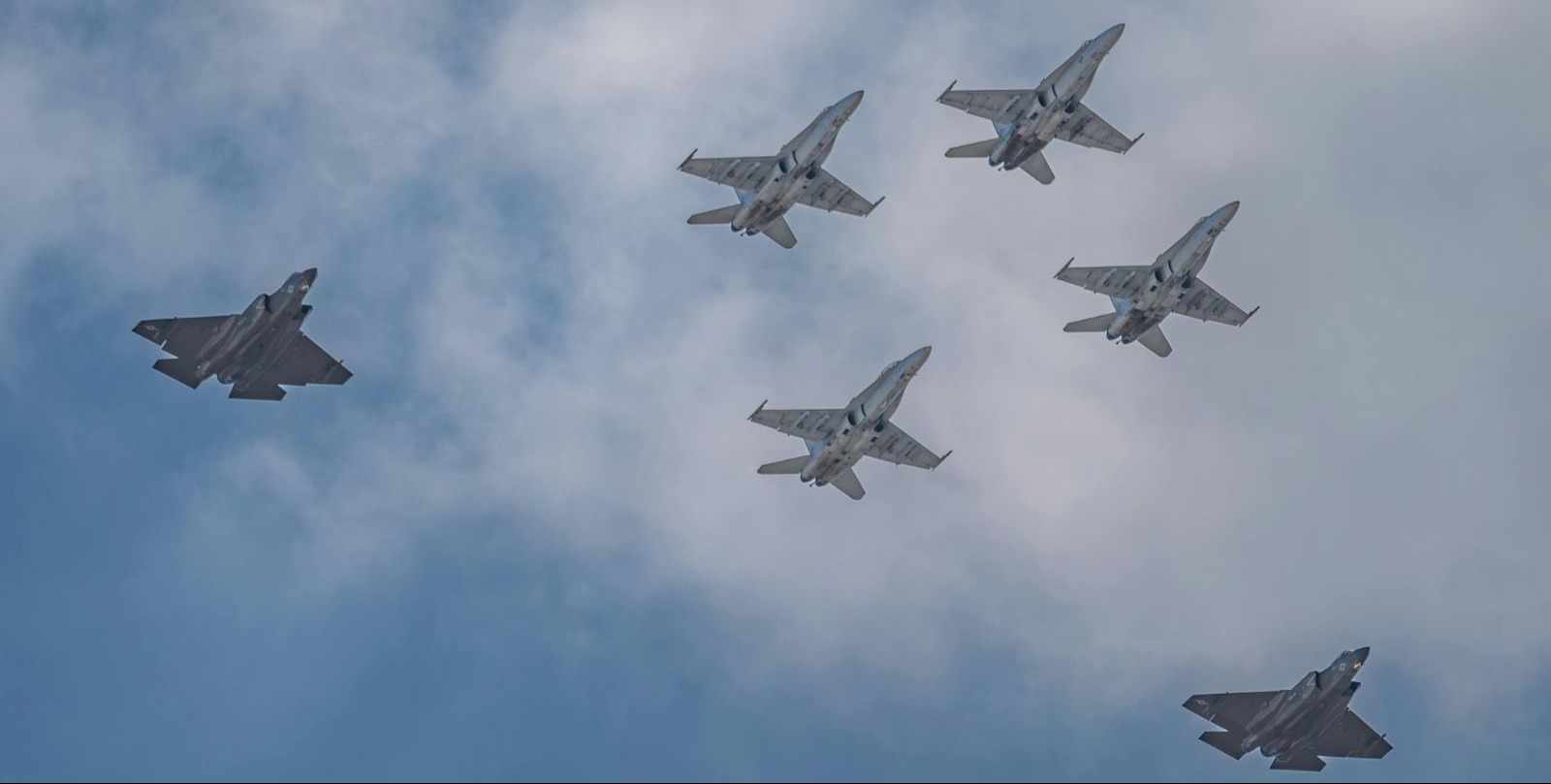
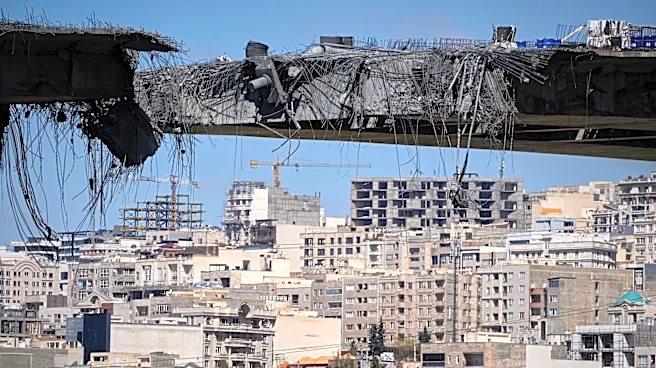
The United Arab Emirates is reportedly ready to assist the United States in reopening the Strait of Hormuz by force, following repeated attacks by Iranian drones and missiles. The UAE is lobbying the United Nations Security Council to authorize a military
operation to break Iran's control over the strategic trade route. This move would mark the UAE as the first Persian Gulf nation to join the conflict against Iran, urging European and Asian military powers to form a coalition. The UAE's involvement comes amid heightened tensions, as Iran has effectively closed the strait to its adversaries, impacting 20% of the world's oil supply. The UAE has also called for the US to occupy strategic islands near the strait, which are currently under Iranian control.
Why It's Important?
The Strait of Hormuz is a vital artery for global oil transportation, and its closure by Iran has significant implications for international energy markets. The UAE's decision to potentially engage militarily underscores the gravity of the situation and the regional desire to ensure the free flow of oil. The involvement of the UAE, a key US ally, could shift the dynamics of the conflict, potentially drawing in more international support. However, the risk of escalation remains high, with Iran's allies, Russia and China, likely to oppose any UN resolution authorizing military action. The outcome of this situation could have far-reaching effects on global energy prices and geopolitical alliances.
What's Next?
A vote on the UN resolution sponsored by Bahrain is expected soon, with the potential for a veto from Russia and China. The international community will be watching closely to see if a coalition can be formed to address the blockade. The UAE's military readiness and the response from other Gulf nations will be critical in determining the next steps. The situation remains volatile, with the potential for further military engagements if diplomatic efforts fail.