







What's Happening?
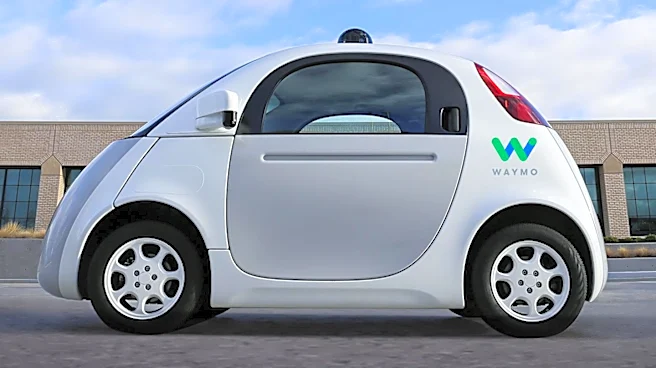
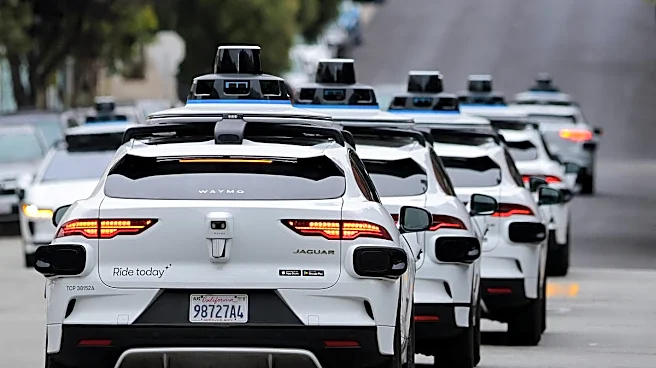
San Francisco Mayor Daniel Lurie has urged state regulators to implement stricter rules for autonomous vehicles following a significant traffic disruption caused by Waymo robotaxis. On July 4th, a large number of Waymo vehicles became immobilized due
to power depletion and technical malfunctions, leading to a massive traffic jam that affected private drivers, public transport, and emergency services. Mayor Lurie has sent a letter to state regulators, highlighting the need for new regulations that ensure autonomous vehicles can operate reliably during emergencies and unexpected events. The proposed regulations would require robotaxi companies to demonstrate capabilities such as promptly removing malfunctioning vehicles, modifying routes in real-time, sharing operational data with local agencies, and passing tests for high-density pedestrian areas.
Why It's Important?
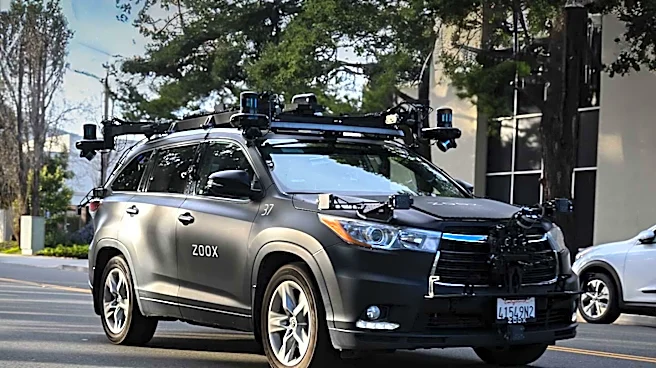
The call for stricter regulations on autonomous vehicles is significant as it addresses the growing concerns about the reliability and safety of driverless technology in urban environments. The incident involving Waymo highlights the potential risks and challenges associated with the deployment of autonomous vehicles, especially during large public events or emergencies. Implementing stricter regulations could set a precedent for other cities and states, ensuring that autonomous vehicles operate safely and efficiently. This move could impact the operations of companies like Waymo, Zoox, and others in the autonomous vehicle industry, potentially leading to increased costs and operational changes to comply with new standards.
What's Next?
If the proposed regulations are adopted, they could establish a new standard for autonomous vehicle operations in San Francisco and potentially influence regulations in other regions. Companies operating robotaxis may need to invest in technology and infrastructure to meet the new requirements. The response from major stakeholders, including autonomous vehicle manufacturers and local government agencies, will be crucial in shaping the future of autonomous vehicle regulations. The outcome of this regulatory push could also affect public perception and acceptance of autonomous vehicles, influencing their integration into urban transportation systems.