



What's Happening?
The New Mexico State Fair is observing a significant reduction in the size and quantity of agricultural produce entries this year, a direct consequence of Albuquerque's hottest summer on record and widespread drought conditions. According to Laura Fiala,
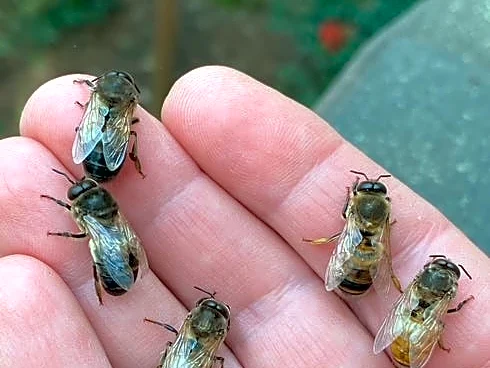
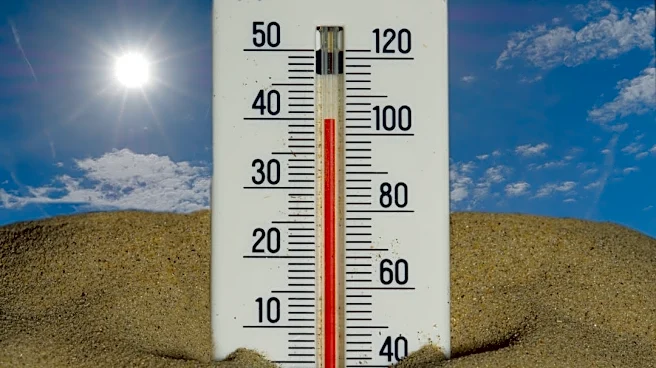
the fair's agriculture superintendent, there is 'less product this year' due to a lack of water. Clay Anderson, senior forecaster at the National Weather Service, noted that 90% of New Mexico is experiencing some level of drought, with northern regions and Bernalillo County facing the most severe water shortages. This summer marked Albuquerque's fifth driest in recorded history. The prolonged heat and lack of precipitation have led to increased evapotranspiration, which depletes soil moisture and negatively impacts vegetation. Farmers and fair staff have reported smaller fruits and vegetables, and a competition judge mentioned a drastic decrease in entries for certain crops, such as chile varietals, from 10-20 entries to just three. The drought also affects the state's bee population, crucial for pollination, as bees struggle to cool their hives without sufficient water, impacting their survival rates and ability to pollinate crops.
Why It's Important?
The severe impact on New Mexico's agricultural output, as evidenced by the State Fair's reduced harvests, highlights the immediate and tangible consequences of climate change on local economies and food systems. The decline in crop yields and produce size directly affects farmers' livelihoods and could lead to increased food prices for consumers. The struggle of the bee population due to drought is particularly critical, as bees are essential pollinators for a vast array of crops. A reduction in bee activity can have cascading effects on agricultural productivity, potentially leading to broader food security concerns beyond New Mexico. This situation underscores the vulnerability of agricultural practices to extreme weather events and the urgent need for sustainable water management and climate-resilient farming techniques. The challenges faced by New Mexico farmers serve as a microcosm of broader agricultural issues across the U.S. where similar drought and heat conditions are impacting crop and livestock production.
What's Next?
In response to the ongoing challenges, agricultural educators like Travis McKenzie from Polk Middle School are using the current weather conditions as a teaching moment for students, emphasizing resilience and adaptation in farming. McKenzie advocates for a shift towards smaller, more sustainable local farms, prompting discussions about water prioritization. The State Fair itself, despite the reduced entries, continues to serve as a platform for showcasing agricultural innovation and resilience. Farmers and agricultural experts will likely continue to explore and implement drought-resistant crops, efficient irrigation methods, and other climate-smart farming practices. Policy discussions around water allocation and conservation are also expected to intensify, especially in regions facing severe water shortages. The long-term outlook suggests a continued focus on research and development in agricultural technology to mitigate the effects of extreme weather and ensure food security.
Beyond the Headlines
The situation in New Mexico extends beyond immediate agricultural losses, touching upon deeper societal and environmental implications. The struggle of farmers and the decline in crop diversity at events like the State Fair reflect a broader ecological imbalance caused by climate change. The interconnectedness of the ecosystem is evident in the impact on the bee population, highlighting how environmental stressors can disrupt critical natural processes like pollination, which are fundamental to food production. This crisis also brings to the forefront ethical questions about resource allocation, particularly water, and the prioritization of agricultural needs versus other uses like recreation. The call for a shift towards smaller, more sustainable local farms suggests a potential paradigm shift in agricultural practices, moving away from large-scale, water-intensive farming towards more localized and resilient food systems. This could foster greater community involvement in food production and enhance regional food security.