



What's Happening?
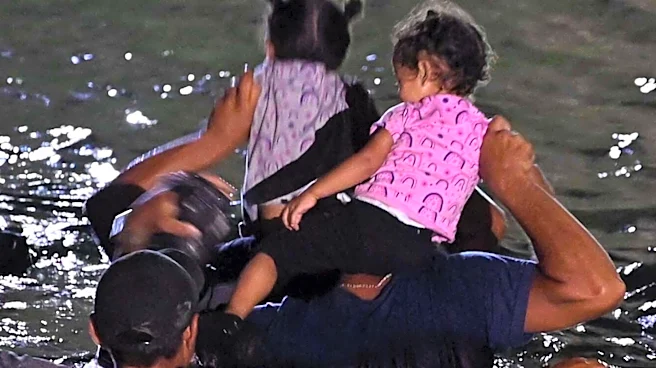
President Donald Trump has ordered U.S. Immigration and Customs Enforcement (ICE) to increase arrests of Haitian immigrants following a Supreme Court ruling that allows the termination of Temporary Protected Status (TPS) for Haitians. This directive could
lead to mass deportations, affecting thousands of Haitians who have been living and working in the U.S. under TPS. The decision has sparked criticism from immigration advocates who argue that the move is driven by racial animus and ignores the ongoing humanitarian crisis in Haiti. The situation in Haiti remains dire, with widespread violence, food insecurity, and inadequate healthcare facilities, making the potential deportations particularly concerning.
Why It's Important?
The directive to ramp up arrests of Haitian immigrants highlights the ongoing debate over U.S. immigration policy and the treatment of vulnerable populations. The potential deportations could have severe humanitarian consequences, as many Haitians would be returning to a country plagued by instability and violence. The move also underscores the broader implications of the Supreme Court's decision on TPS, which affects not only Haitians but also other immigrant communities. The administration's actions have drawn criticism for being racially motivated and for disregarding the contributions of TPS holders to the U.S. economy and society.
What's Next?
As ICE prepares to implement the directive, legal challenges and public protests are likely to intensify. Immigration advocates and civil rights organizations may seek to block the deportations through the courts, arguing that the policy is discriminatory and inhumane. The situation could also prompt legislative efforts to extend protections for TPS holders, with some members of Congress already pushing for a vote on the American Dream and Promise Act. The outcome of these efforts will be crucial in determining the future of TPS and the broader U.S. immigration policy landscape.