


What's Happening?
The United States manages vast public lands through two primary federal agencies: the National Park Service (NPS) and the U.S. Forest Service. While both oversee significant acreage, they operate under distinct missions and regulations. The NPS, a bureau
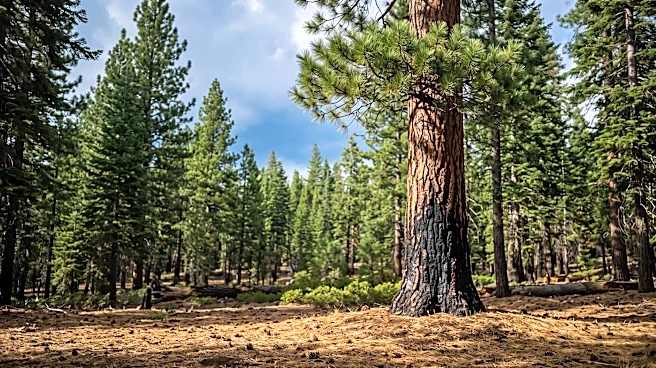
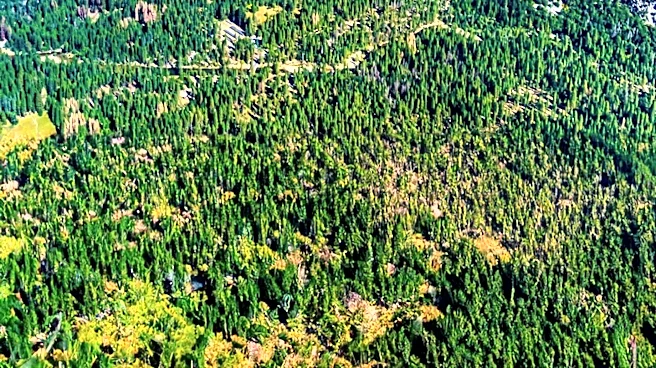
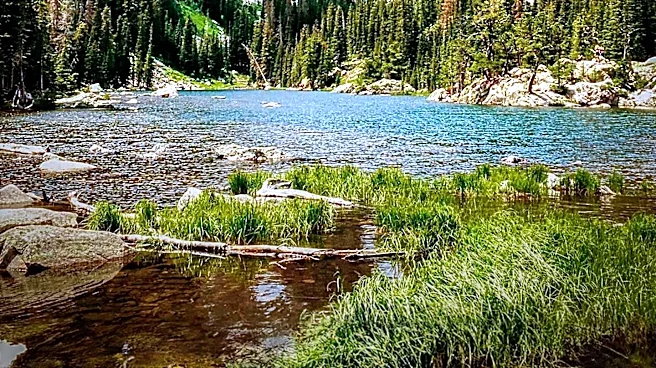
of the Department of the Interior, focuses primarily on preservation, aiming to maintain natural and cultural resources unimpaired for future generations. It manages 433 individual sites, including 63 congressionally designated National Parks, covering 52 million acres. In contrast, the U.S. Forest Service, an agency of the Department of Agriculture, adheres to a 'multiple-use' mandate. This means its 154 national forests and 20 national grasslands, totaling 193 million acres, are managed for recreation, timber harvesting, mining, fishing, and wildlife management, alongside preservation. These differing missions lead to significant variations in rules, activities permitted, and available amenities, making it crucial for visitors to understand the specific regulations of each area.
Why It's Important?
The distinction between National Parks and National Forests has substantial implications for public access, resource utilization, and conservation efforts across the U.S. The NPS's preservation-first approach often results in more restrictive rules regarding activities like hunting, gathering, and off-trail travel, ensuring the protection of sensitive ecosystems and historical sites. This focus supports long-term ecological integrity and provides unique opportunities for visitors to experience pristine natural environments. Conversely, the Forest Service's multiple-use mandate allows for a broader range of activities, including commercial logging and mineral extraction, which contribute to local economies and resource supply chains. This approach balances conservation with economic development and recreational opportunities, such as hunting and fishing, which are often prohibited or heavily restricted in National Parks. Understanding these differences is vital for policymakers, industries reliant on natural resources, and the public to navigate land use, plan recreational activities, and engage in informed discussions about environmental stewardship and economic development.
What's Next?
As public land use continues to be a topic of national discussion, ongoing efforts will likely focus on balancing conservation with various economic and recreational demands. Visitors to these areas will need to continue researching specific regulations for each park or forest they plan to visit, as rules can vary even within the same system. The agencies will likely continue to refine their management strategies to address challenges such as increased visitation, climate change impacts, and the need for sustainable resource management. Debates over land use policies, such as the 'Roadless Rule' mentioned in other contexts, will persist, highlighting the tension between preservation and resource extraction. Future policy decisions will shape the accessibility and ecological health of these vast public lands, influencing everything from timber industries to outdoor recreation and wildlife conservation.
Beyond the Headlines
The differing philosophies underpinning National Parks and National Forests reflect a broader societal debate about humanity's relationship with nature. The NPS model emphasizes intrinsic value and the importance of leaving natural spaces untouched for their own sake and for future generations, fostering a sense of national heritage and ecological reverence. The Forest Service's multiple-use approach, while still incorporating conservation, acknowledges the utilitarian value of natural resources and the role they play in supporting human economies and livelihoods. This dichotomy highlights the complex ethical considerations involved in managing vast natural landscapes. It also underscores the cultural significance of these lands, serving as spaces for recreation, spiritual renewal, and the perpetuation of traditional activities like hunting and fishing. The ongoing management of these areas will continue to shape national identity, environmental ethics, and the practical realities of resource allocation in the U.S.